In 2026, outdoor play can help toddler adjust to new baby life by giving the older child predictable attention, movement, and a safe place to be loud. The CDC’s 2025 child activity guidance says children ages 3 to 5 need activity throughout the day, and a 10-minute screen-free backyard reset can give a regressing toddler connection without demanding a big outing.
Category: Uncategorized
-
How Do You Teach High-Energy Kids When It Is Okay to Play Wild?
In 2026, you teach kids appropriate play behavior by separating big movement from shared-space manners: energy is healthy, but timing and location matter. CDC 2025 guidance says children ages 6-17 need at least 60 minutes of activity daily, so the goal is redirecting wild active play to parks, fields, backyards, and hotel lawns.
-
How Often Should Kids Bathe When They Play Outside?
How often should kids bathe after outdoor play depends on dirt, sweat, odor, and water exposure, not guilt. In 2026, the American Academy of Dermatology says kids ages 6 to 11 need baths at least 1 or 2 times per week, plus after mud, swimming, heavy sweat, or body odor. That makes kids bath frequency an activity-based decision.
-
How Can Parents Turn Exercise Into Outdoor Play With Kids?
In 2026, parents can turn exercise with kids outdoors into outdoor play by giving children a real role in the routine. The 2018 U.S. Physical Activity Guidelines recommend 60 minutes of daily movement for ages 6-17, and a parent walk, stroller jog, hill climb, or driveway toss can become active play instead of separate adult fitness time.
-
How Can Moms Get a Real Break While Kids Play Outside?
In 2026, outdoor activities that give moms a break work best when kids stay visible, moving, and absorbed while another adult owns supervision nearby. CDC’s 2025 child activity guidance says children ages 6-17 need 60 minutes of activity daily. The sweet spot is screen-free backyard play that buys a parent 20 to 30 quieter minutes without pretending supervision disappears.
-
How Can Parents Keep Kids Busy When Weekend Plans Fall Apart?
In 2026, the fastest answer to how to keep kids busy on weekends is a clear parent handoff plus 30 minutes of screen-free outdoor play. The CDC’s 2025 child activity guidance says children ages 6-17 need at least 60 minutes of activity daily, while ages 3-5 need movement throughout the day.
-
How Can Burned-Out Parents Make Weeknights Easier?
For a burned out parents weeknight routine, the fastest relief in 2026 is removing evening choices, not adding a more elaborate family system. HHS’s 2024 Parents Under Pressure advisory reported that 48% of parents feel completely overwhelmed by stress most days. A simple repeatable rhythm – pickup, movement, dinner, cleanup, bedtime – lowers the parent mental load before everyone runs out of patience.
-
Do Kids Play Better With Fewer Toys?
In 2026, kids play better with fewer toys visible because choice overload can shorten focus. In a 2018 Infant Behavior and Development study, 36 toddlers played longer and more creatively with 4 toys than with 16. Fewer options lower visual noise, reduce cleanup stress, and make it easier for outdoor play, pretend play, and screen-free routines to actually start.
-
How Can Parents Handle Playground Meltdowns Before Outdoor Play Starts?
In 2026, parents can handle playground meltdowns by treating sunscreen, shoes, and car-to-park transitions as safety routines first and discipline problems second. A 2023 NCBI Bookshelf review reports tantrums average 3 minutes in children 18 to 60 months, so a screaming sunscreen battle can be intense without being unusual.
-
How Can Parents Make Loud Kids’ Toys Quieter Without Ending Playtime?
Parents can make loud kids toys quieter in 2026 by starting with reversible fixes: cover the speaker grille, lower the volume, or remove batteries when sound is optional. The American Academy of Pediatrics reported in 2023 that some toy sounds measured 78 to 108 dBA at 10 cm, so loud kids toys deserve practical noisy toy fixes that reduce volume without ending play.
-
How Can Parents Keep Kids Active Without Spending Much Money?
In 2026, cheap outdoor activities for kids keep families active by turning daily routines into movement: walks, park loops, driveway chalk, tag, yard work, and library trips. The CDC’s 2025 child activity guidance says children 6-17 need 60 minutes of physical activity daily, while children 3-5 should stay active throughout the day.
-
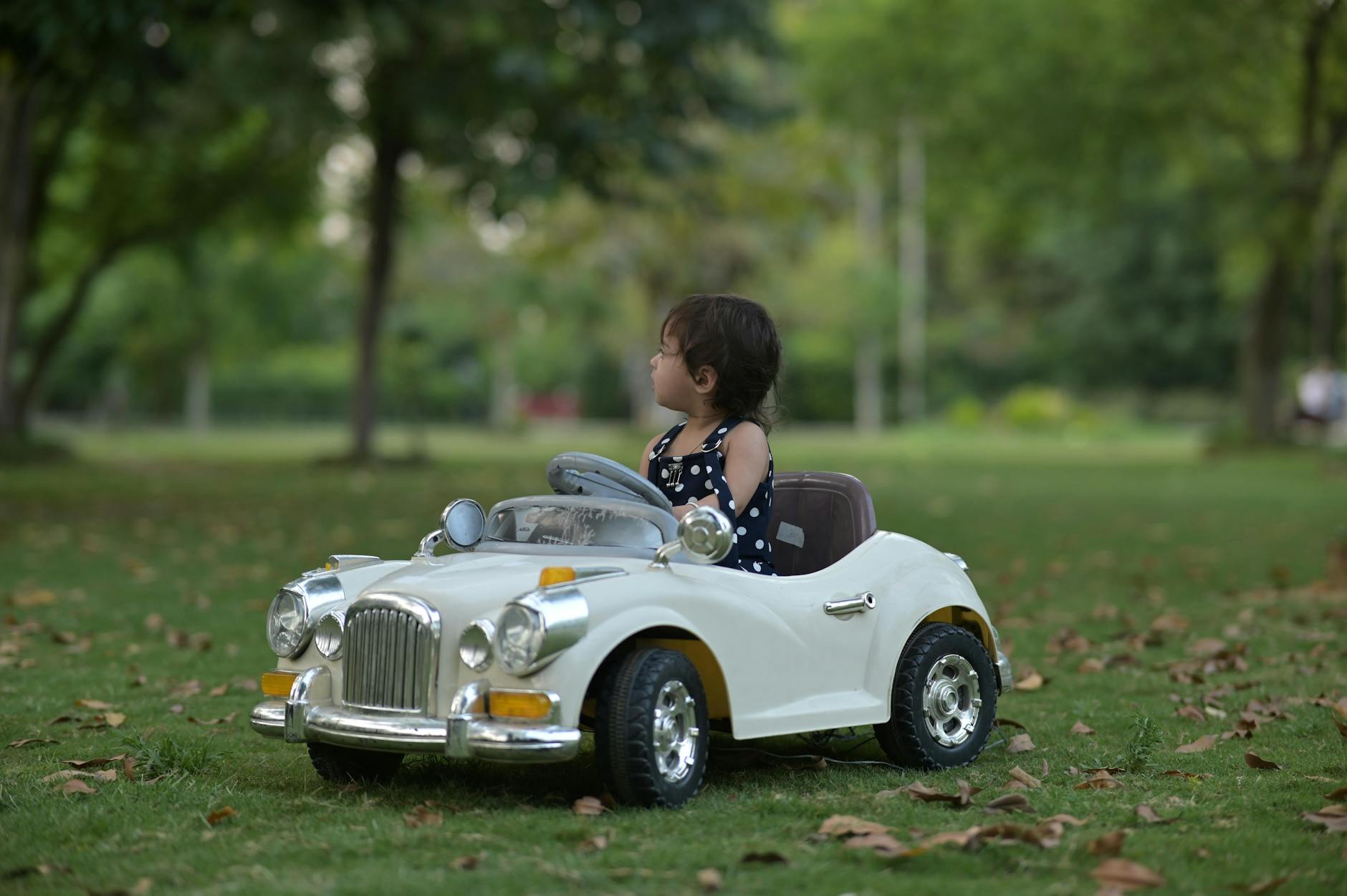
What Outdoor Toys Are Best for Toddlers Ages 1–4? (Real Family Picks)
The best outdoor toys for toddlers are the ones that reward the very first throw, require no fine motor precision, and give immediate physical feedback — foam gliders that fly across the yard, sensory balls that squish and roll, and beach balls that move every time a toddler touches them. A 2022 CDC milestones update reports that by age 3, around 85% of children engage in pretend play — a marker of healthy social-emotional development.