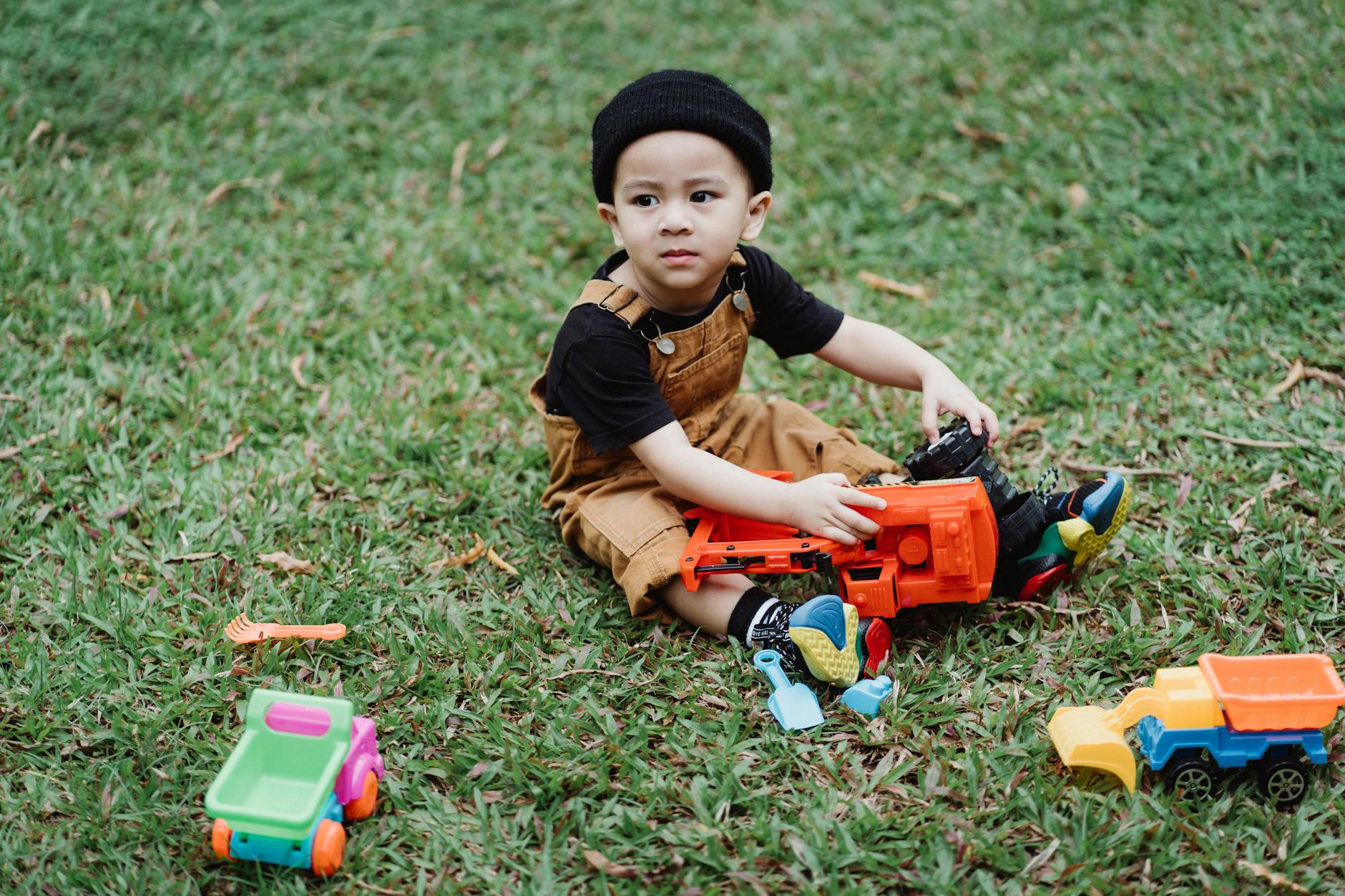
Safe outdoor toys for toddlers pass three basic tests: no small parts that fit in a toddler’s mouth, soft or smooth construction that won’t cut or bruise, and an activity level that matches where the child actually is developmentally — not just what the age label says. The CPSC’s 2021 Toy-Related Deaths and Injuries Report documented approximately 185,000 emergency department-treated toy-related injuries in children under 15, with children under 5 representing the highest-risk group. Most of those injuries are preventable with two minutes of checking before you buy.
Author: cooper
-
Why Does Going Outside Stop Toddler Tantrums? What’s Actually Happening in Their Brain
Going outside stops toddler tantrums because it interrupts the nervous system spiral that drives meltdowns. Fresh air, open space, and physical movement give a dysregulated toddler’s brain an immediate chemical outlet — reducing cortisol and resetting the emotional response system. The WHO’s 2019 guidelines recommend that children under 5 get at least 3 hours of physical activity spread throughout the day, and children who consistently meet that threshold show measurably lower rates of behavioral dysregulation.
-
How Do You Help a Child Who Falls Apart When They Lose at Sports? What Actually Works
A child who completely falls apart after losing at sports is showing normal developmental behavior, not a character flaw that needs fixing. Harvard’s Center on the Developing Child notes that emotional regulation — the ability to manage disappointment and frustration — does not reach full development until early adulthood, with the most significant growth happening between ages 6-10. The research on sportsmanship development shows that punishing emotional reactions makes them worse; the strategies that actually work address the nervous system, not the behavior.
-
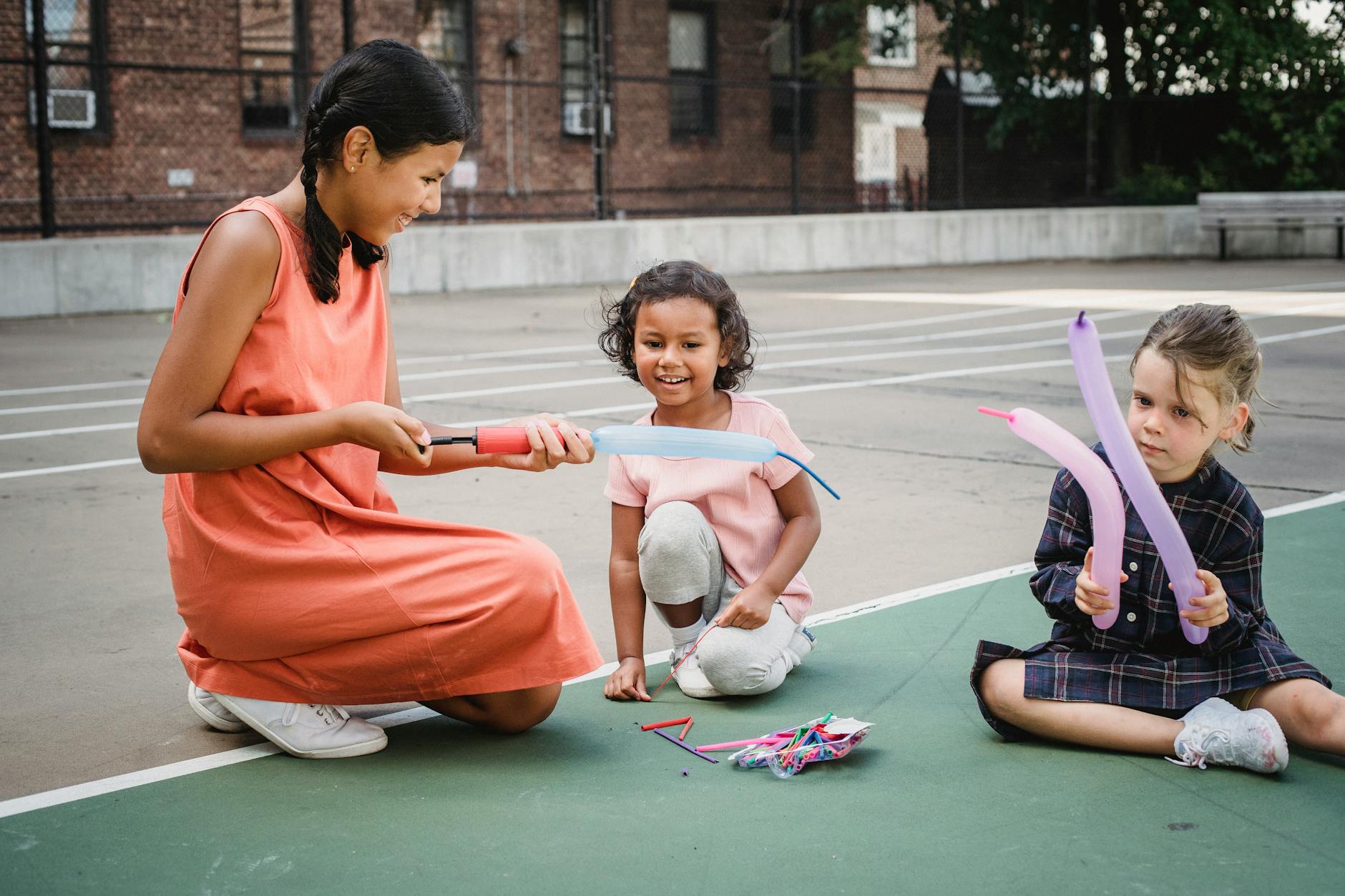
What Outdoor Party Activities Do Kids Love More Than Restaurants? (What Real Families Found)
Outdoor parties consistently produce stronger childhood memories than restaurant celebrations, according to parents who have done both. The developmental reason is straightforward: children ages 3-12 form memory through physical activity and sensory engagement, not passive dining. A 2018 AAP study linked active group play directly to improved social bonding in children — and outdoor parties, almost by definition, involve exactly that kind of movement-forward interaction. The food is incidental. The running, chasing, and laughing is what sticks.
-
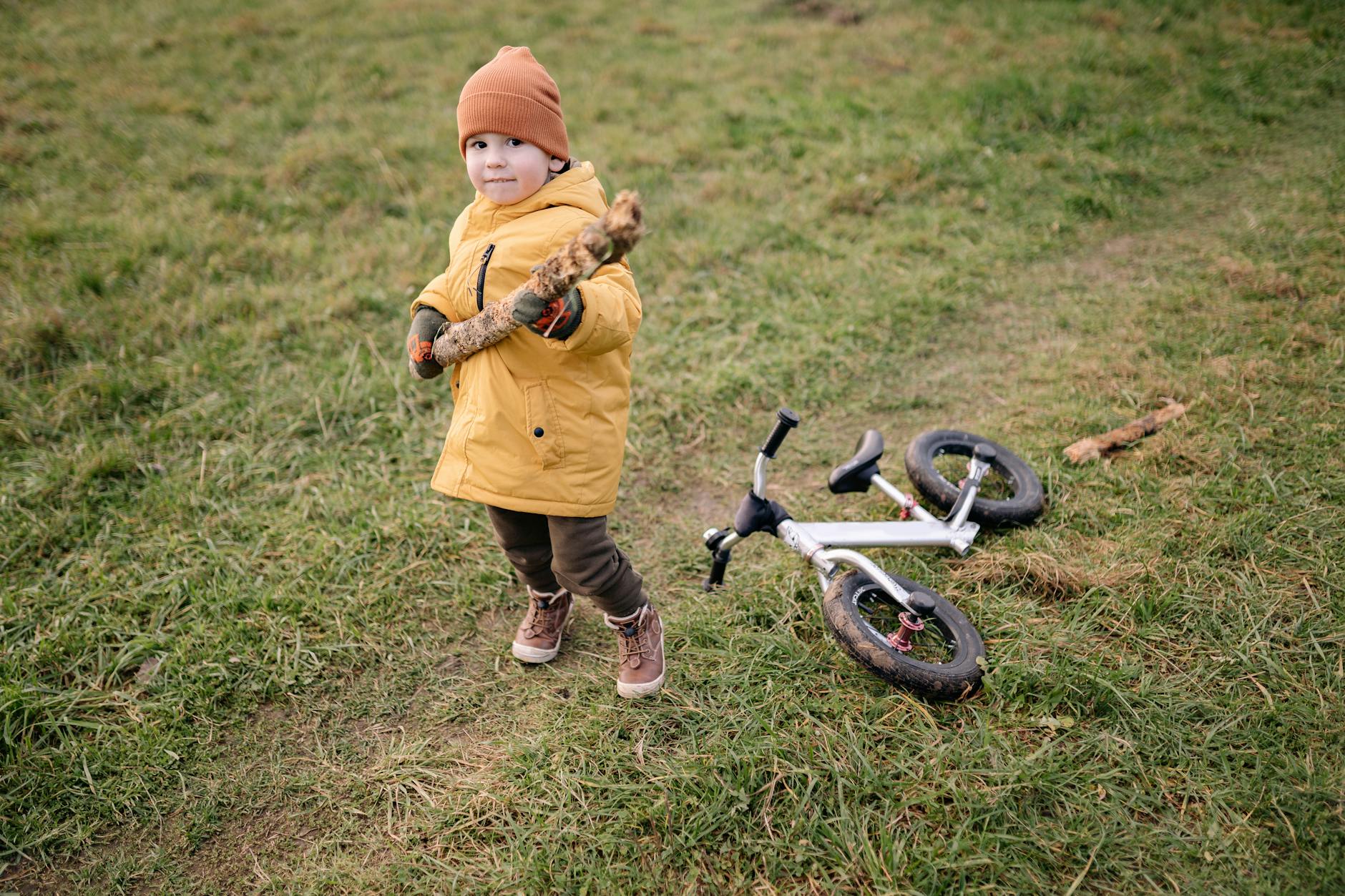
How Do You Handle a Toddler Who Tests Every Limit on Purpose? Outdoor Strategies That Actually Help
A toddler who tests every limit on purpose is doing exactly what developmental biology expects of them — and getting them outside for active play is one of the most well-supported strategies for reducing the frequency and intensity of that behavior. The AAP’s 2018 guidance on unstructured play links daily physical outdoor activity to measurable improvements in toddler self-regulation within two to four weeks of consistent implementation. Limit-testing does not disappear, but its volume drops.
-
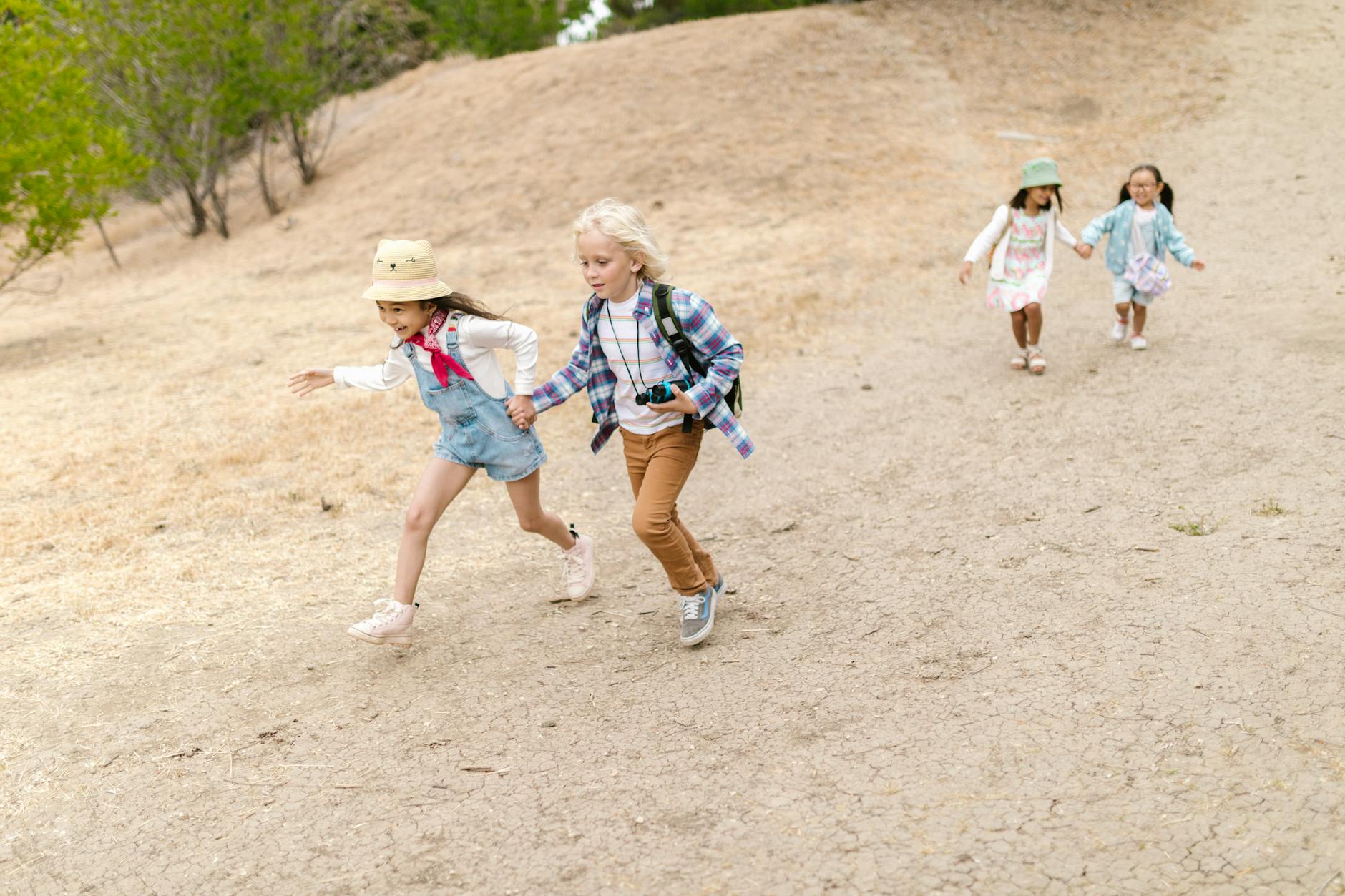
How Do You Make Your Child’s Childhood Feel Magical? What Parents Wish They Had Done More Of
A magical childhood is built from ordinary days done well, not extraordinary trips. Research consistently shows that children ages 3-12 form their strongest memories from repeated, sensory, physical experiences — not from expensive outings. The AAP’s 2018 Physical Activity Guidelines link daily outdoor play and active play directly to the developmental milestones that parents later describe as the best parts of raising kids. Presence matters more than planning.
-
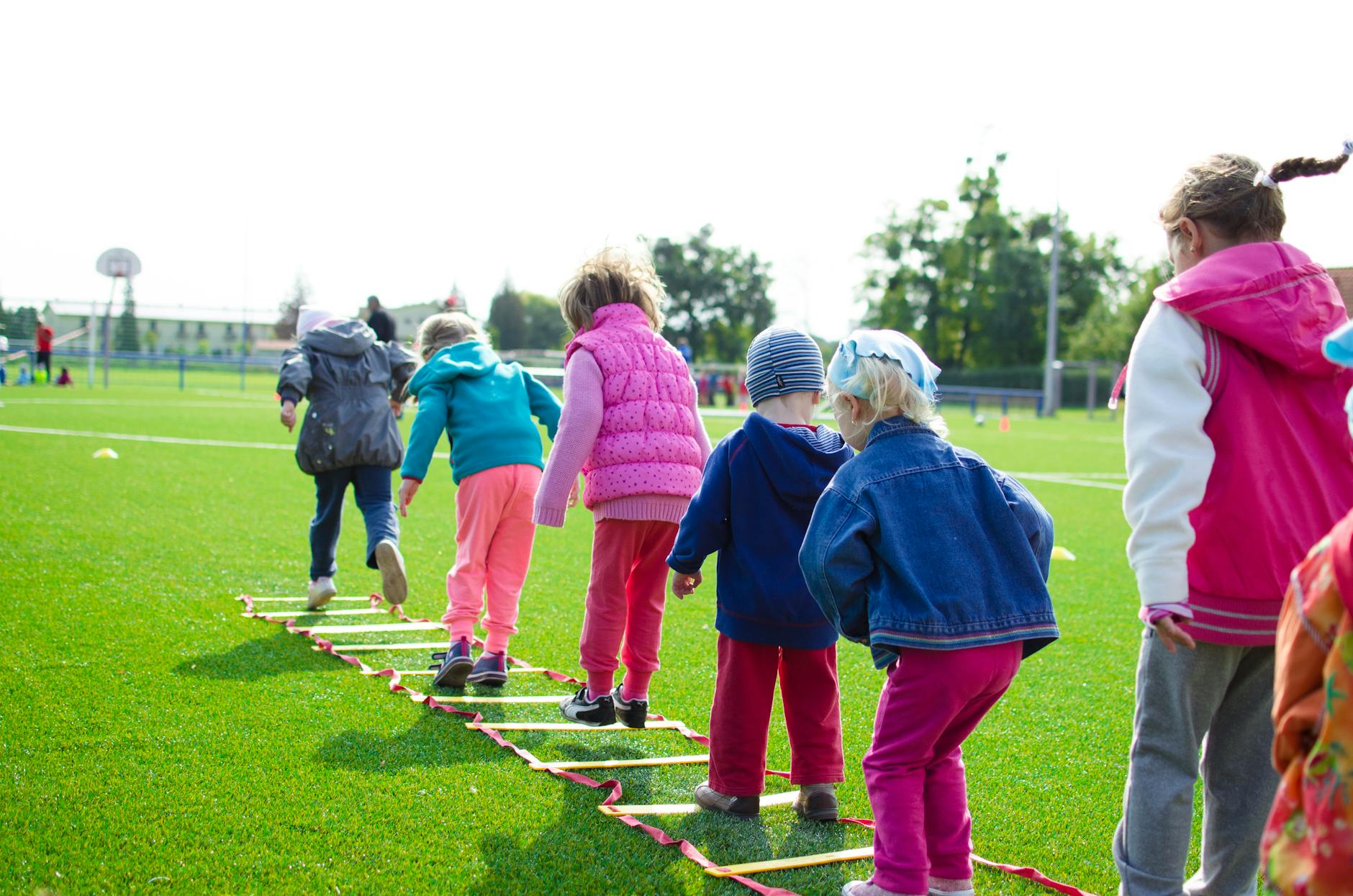
What Are the Best Free Outdoor Activities to Keep Kids Physically Active?
The best free outdoor activities for keeping kids physically active are the ones children will actually choose on their own — tag, relay races, obstacle courses, nature scavenger hunts, and open-field games that require no equipment and no adult coordination. Most children ages 3-12 need only open space and a reason to move, and those reasons are free.
-
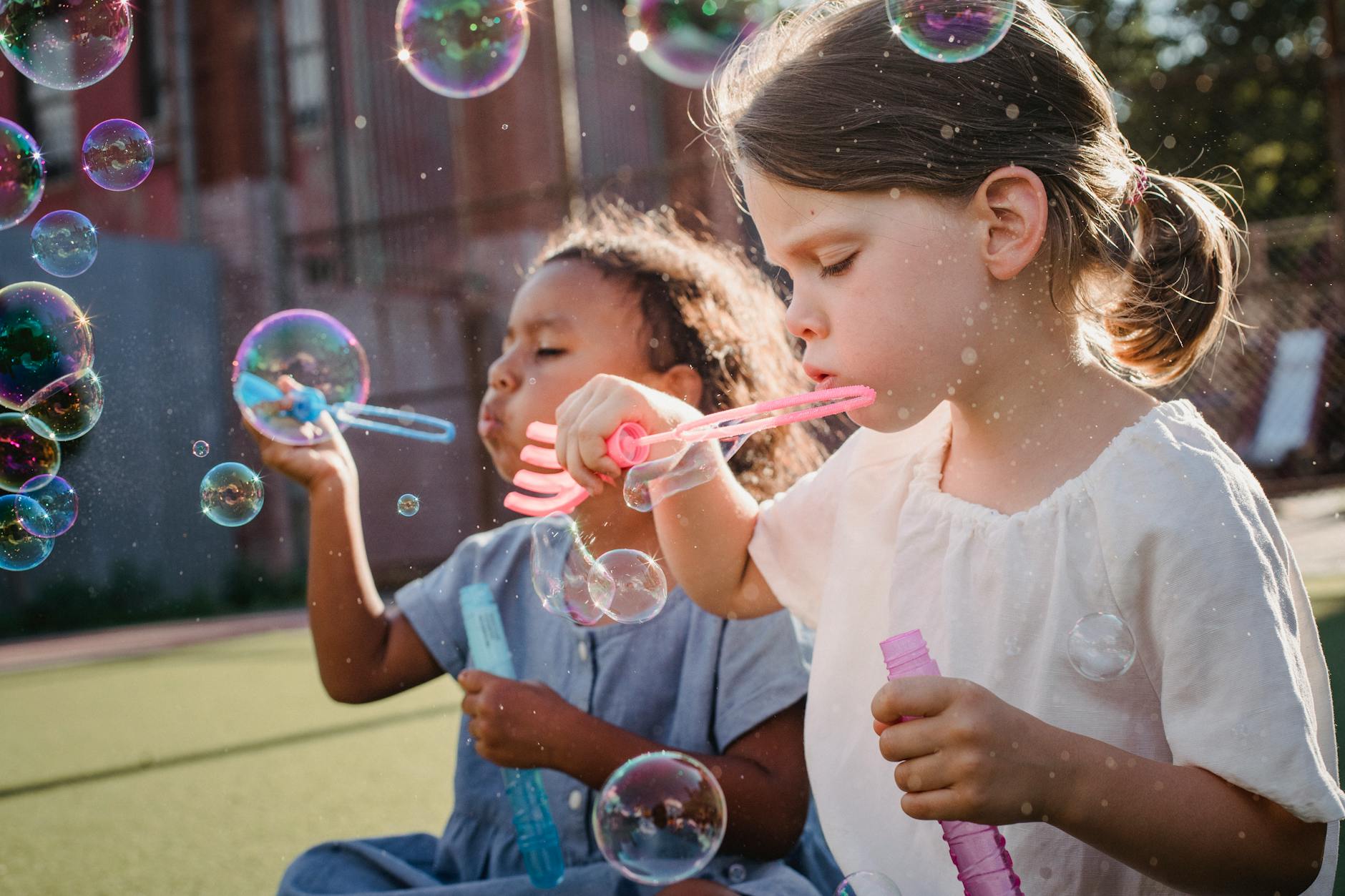
What Outdoor Play Actually Looks Like for Parents of School-Age Kids — Real Answers
Outdoor play for kids ages 6–12 looks very different from the preschool years — and that shift catches many parents off guard. School-age kids want competition, challenge, and something they can get genuinely good at. They are not interested in just “being outside.” Give them a catch game with real stakes, a throwing challenge they can track progress on, or a backyard game that produces a winner, and they will stay outside for an hour without asking to come in.
-

What Outdoor Play Actually Looks Like for Busy Parents — Real Answers
Outdoor play for kids does not require a full afternoon or a perfectly planned activity. For busy parents, it works best as a low-friction daily habit — a 20-minute backyard session after school, a walk that ends at the park, or a foam toy left on the porch that kids grab on the way outside. The research is clear: consistency matters more than duration. Even 20 minutes of active play outside every day outperforms one two-hour weekend trip.
-
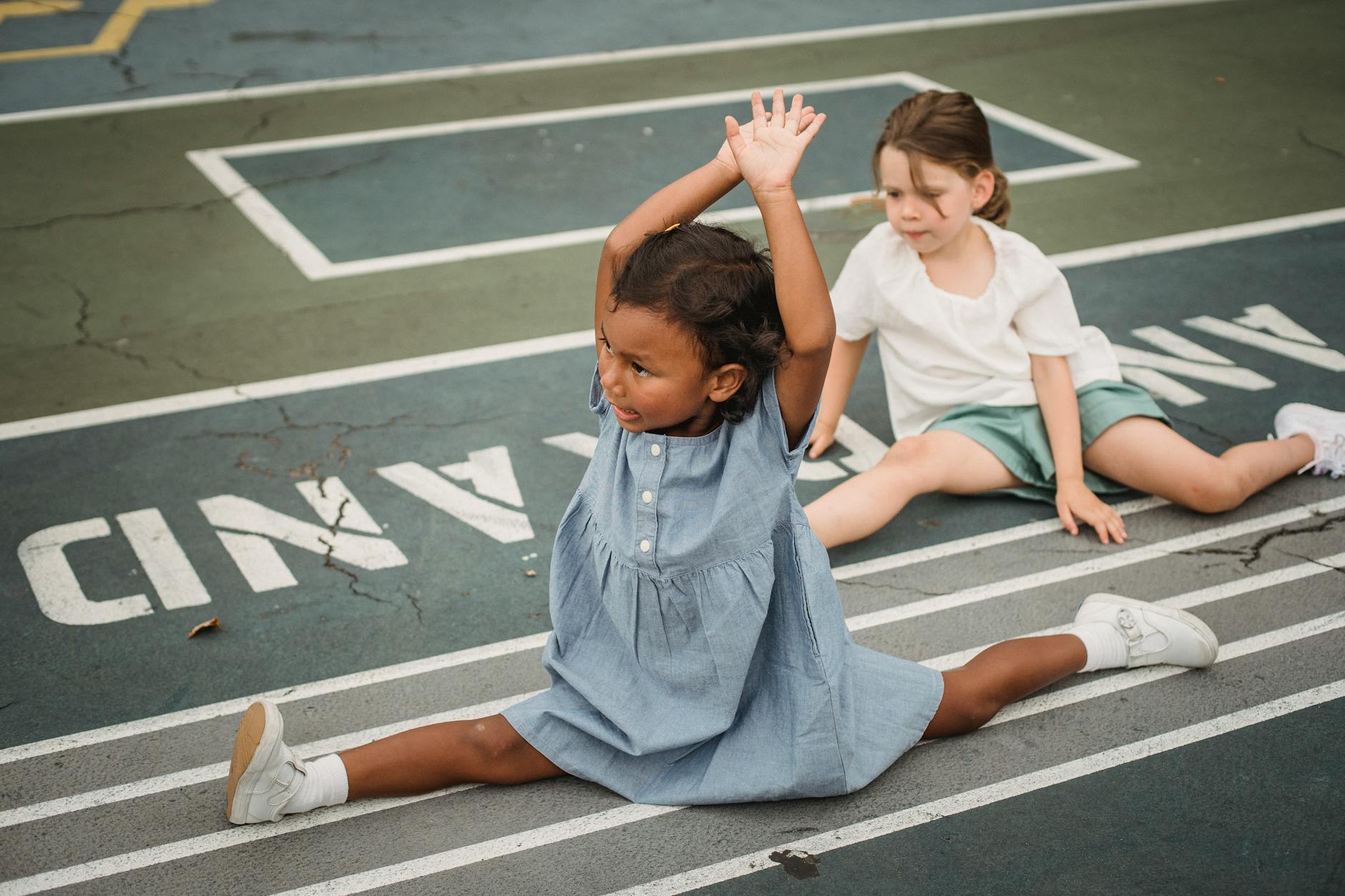
What Outdoor Play Actually Looks Like for Toddler Parents — Real Answers
Outdoor play for kids ages 1–4 looks nothing like the Pinterest version. It is muddy knees, slow walks that stop every 10 feet, and 45 minutes of preparation for a 15-minute trip to the backyard. But the developmental payoff is enormous — and parents who build a regular outdoor routine with toddlers report that it gets dramatically easier after the first few weeks. The key is matching the environment and the gear to where your toddler actually is developmentally. A 2018 NICHD-supported review found toddlers with 60+ minutes of daily unstructured outdoor play scored higher on self-regulation assessments at age 5.
-
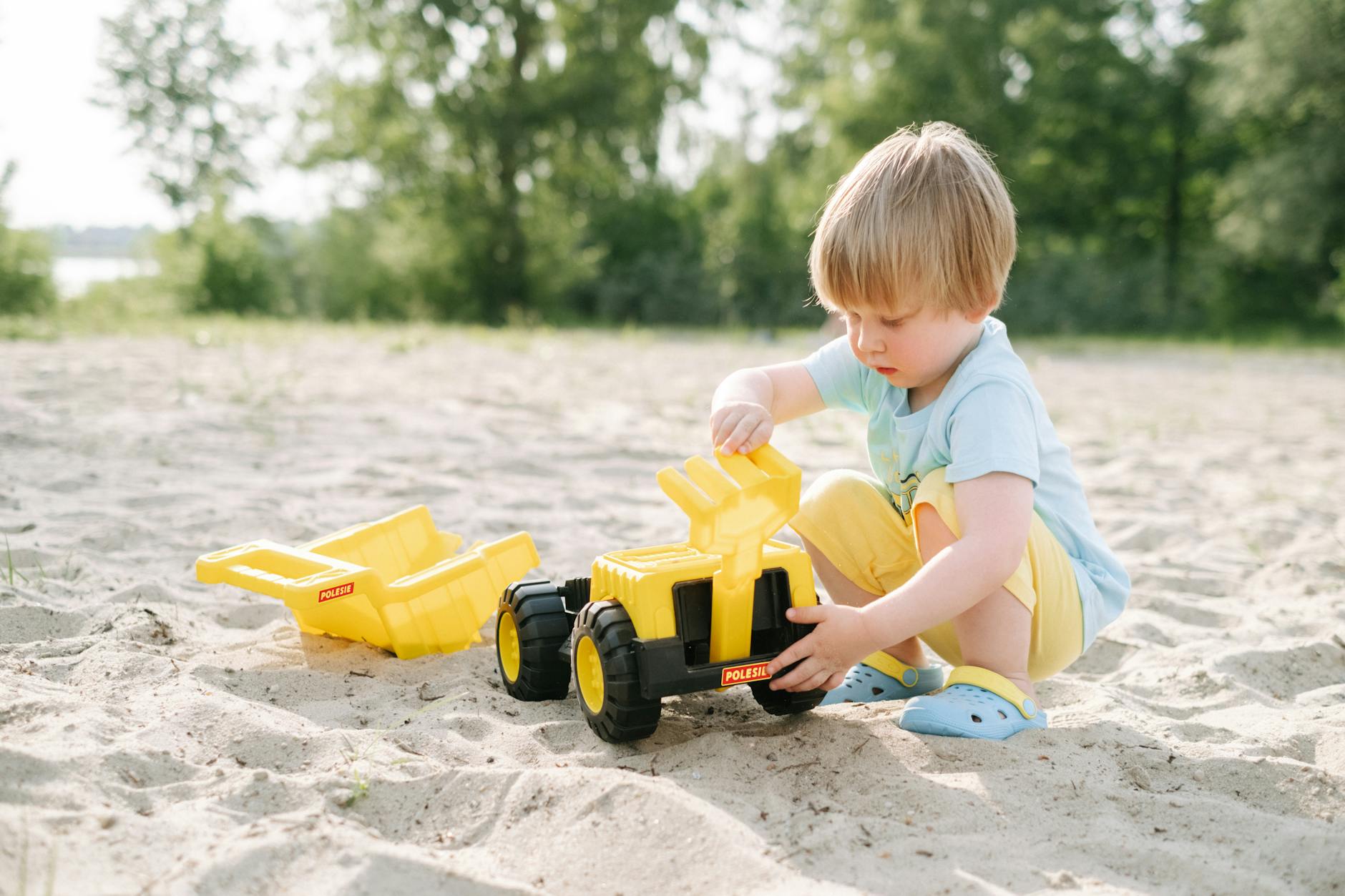
What Outdoor Toys Are Actually Worth Buying for Kids?
The outdoor toys worth buying for kids ages 3-12 are the ones they reach for again tomorrow. That means no setup time, soft construction that forgives bad throws, and a design that lets siblings with different skill levels play together. Research and real parent feedback point to the same conclusion: toys that kids can pick up and play in under 30 seconds get used. Everything else ends up in the garage.
-
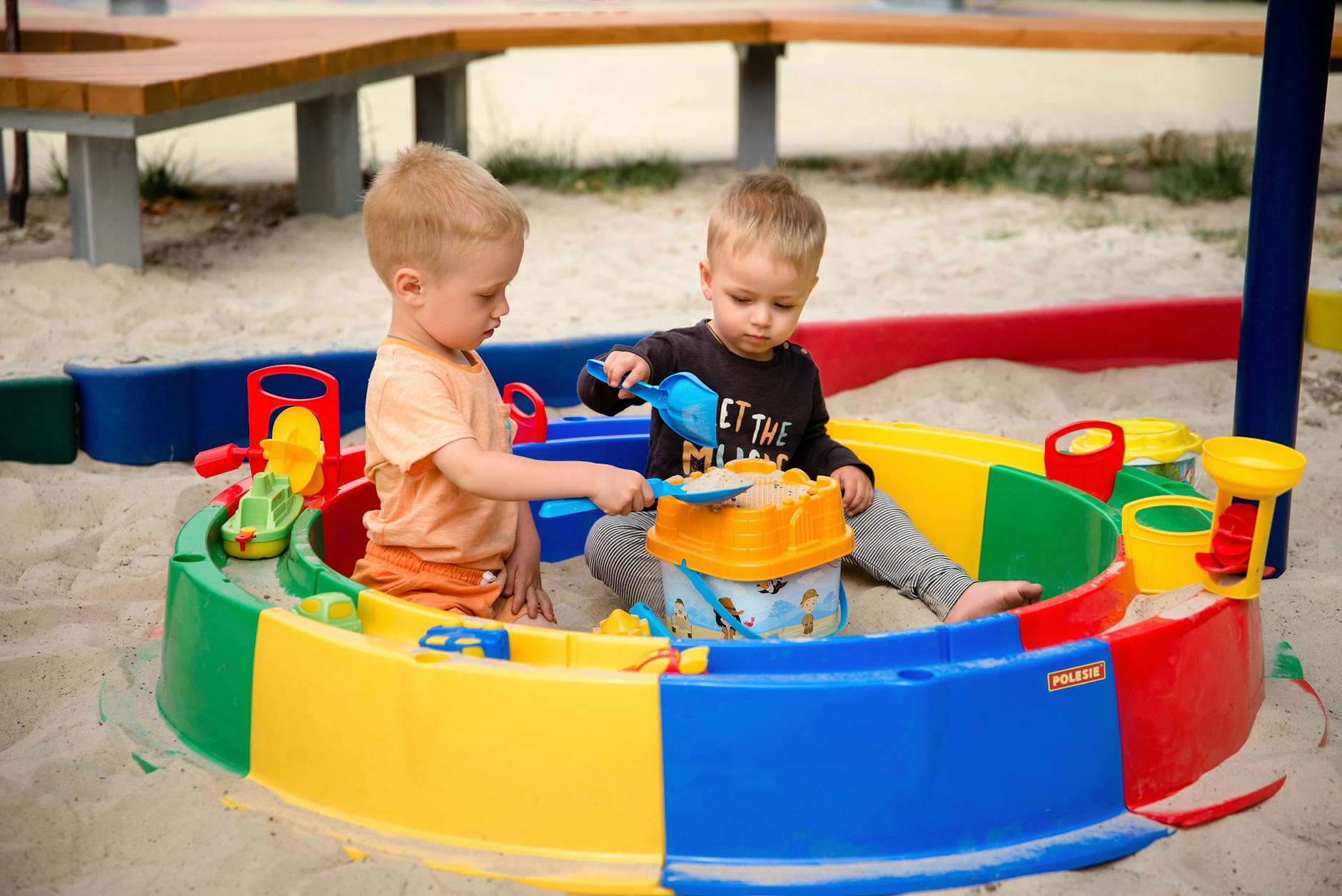
What Outdoor Toys Are Worth Buying for Kids? (Parent Reviews)
The outdoor toys for kids worth buying are the ones a child can pick up and start playing with in under 30 seconds — no batteries, no setup, no athletic skill required. For families with kids ages 3-12, the toys that survive the season are usually foam-based, bright in color, and forgiving of bad throws. Hard-plastic toys, complicated rule sets, and battery-powered gimmicks tend to end up in the garage by July.