Author: cooper

  • Do Kids Play Better With Fewer Toys?

    A quick note: Raising Active Kids is published by Refresh Sports, and some of the toys recommended in this article are ours.

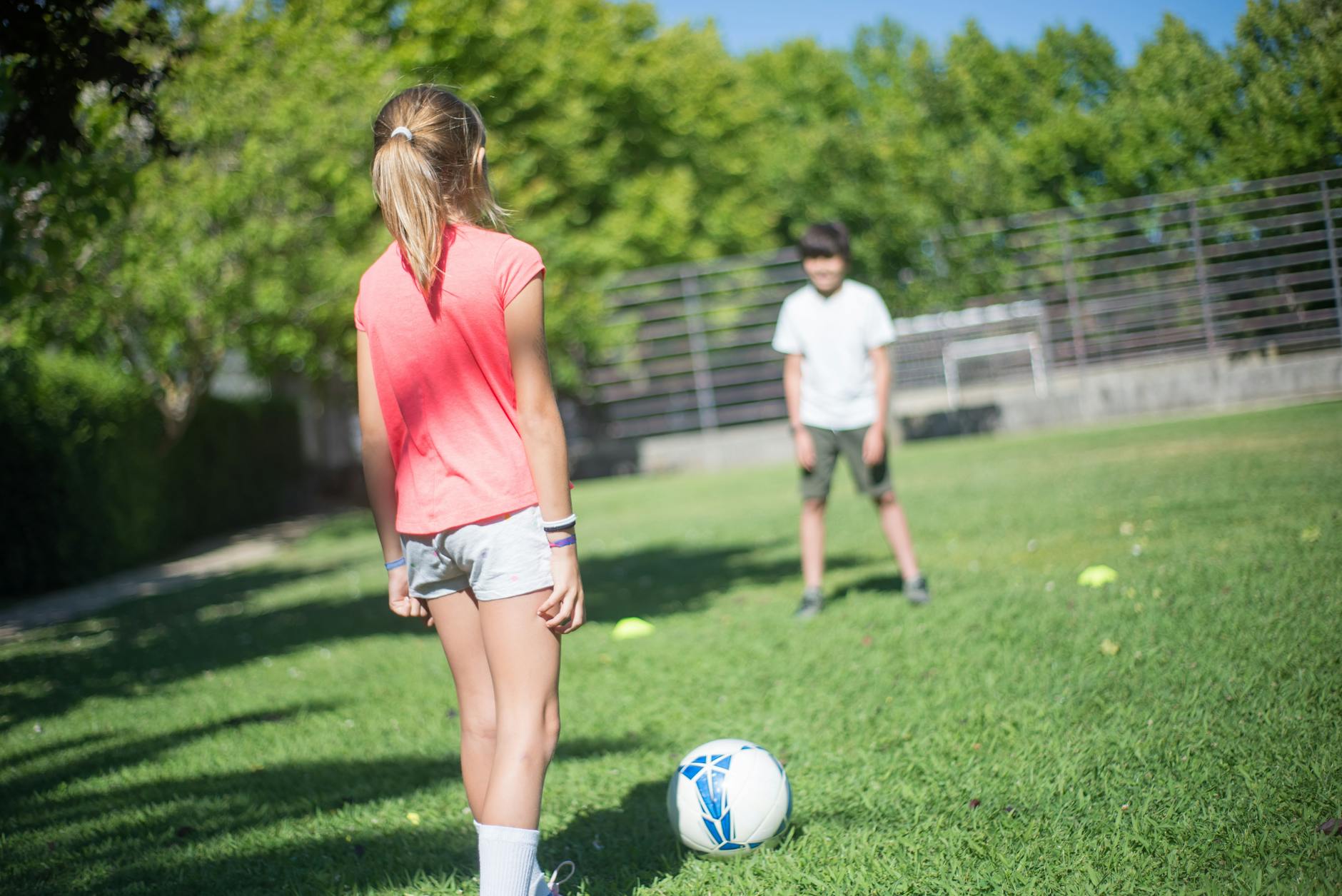
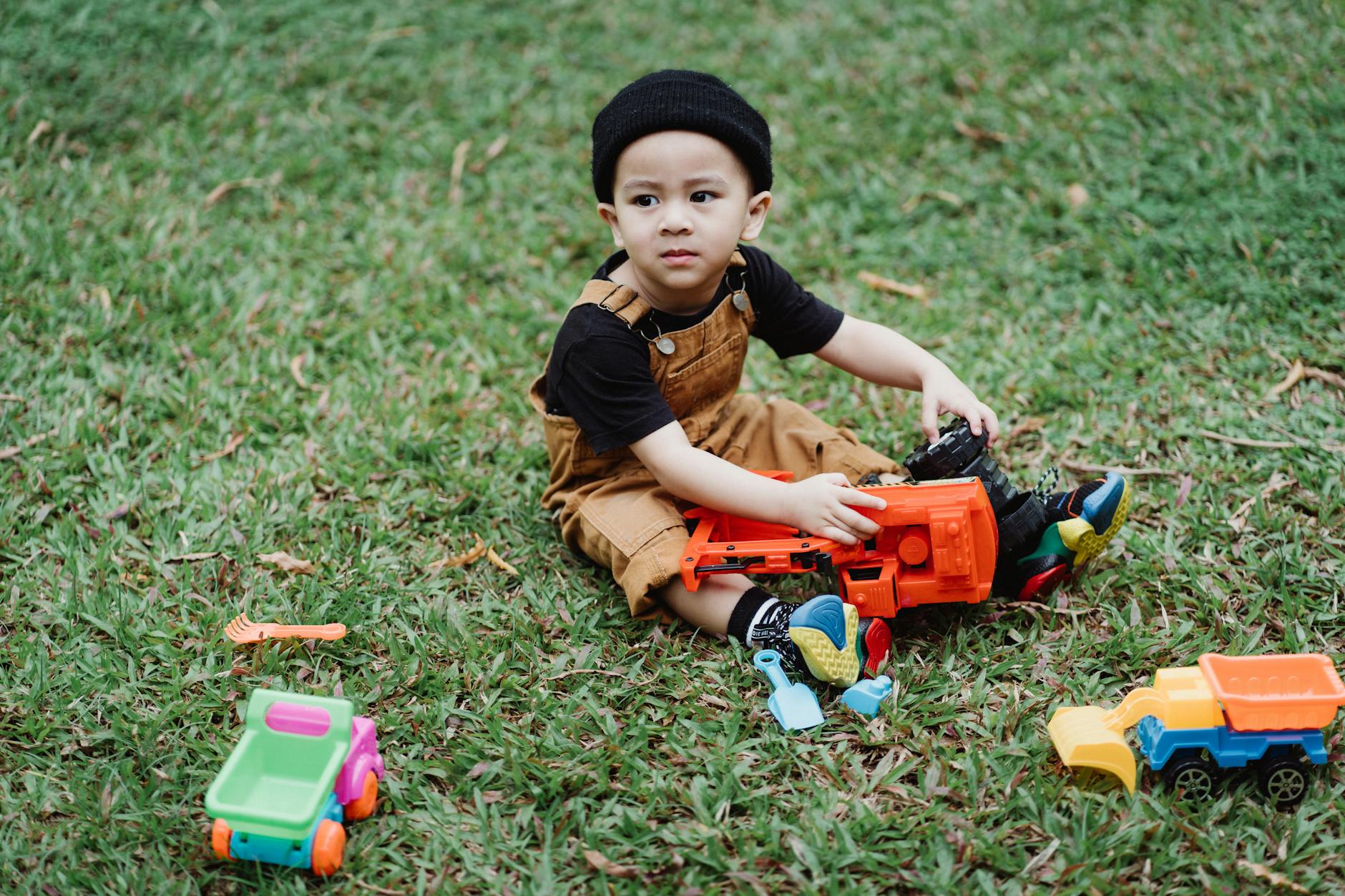
    In 2026, kids play better with fewer toys visible because choice overload can shorten focus. In a 2018 Infant Behavior and Development study, 36 toddlers played longer and more creatively with 4 toys than with 16. Fewer options lower visual noise, reduce cleanup stress, and make it easier for outdoor play, pretend play, and screen-free routines to actually start.
    (more…)

  • How Can Burned-Out Parents Make Weeknights Easier?

    A quick note: Raising Active Kids is published by Refresh Sports, and some of the toys recommended in this article are ours.

    For a burned out parents weeknight routine, the fastest relief in 2026 is removing evening choices, not adding a more elaborate family system. HHS’s 2024 Parents Under Pressure advisory reported that 48% of parents feel completely overwhelmed by stress most days. A simple repeatable rhythm – pickup, movement, dinner, cleanup, bedtime – lowers the parent mental load before everyone runs out of patience.

    (more…)

  • How Can Parents Handle Playground Meltdowns Before Outdoor Play Starts?

    A quick note: Raising Active Kids is published by Refresh Sports, and some of the toys recommended in this article are ours.

    In 2026, parents can handle playground meltdowns by treating sunscreen, shoes, and car-to-park transitions as safety routines first and discipline problems second. A 2023 NCBI Bookshelf review reports tantrums average 3 minutes in children 18 to 60 months, so a screaming sunscreen battle can be intense without being unusual.

    (more…)

  • How Can Parents Make Loud Kids’ Toys Quieter Without Ending Playtime?

    A quick note: Raising Active Kids is published by Refresh Sports, and some of the toys recommended in this article are ours.

    Parents can make loud kids toys quieter in 2026 by starting with reversible fixes: cover the speaker grille, lower the volume, or remove batteries when sound is optional. The American Academy of Pediatrics reported in 2023 that some toy sounds measured 78 to 108 dBA at 10 cm, so loud kids toys deserve practical noisy toy fixes that reduce volume without ending play.

    (more…)

  • How Can Parents Keep Kids Active Without Spending Much Money?

    A quick note: Raising Active Kids is published by Refresh Sports, and some of the toys recommended in this article are ours.

    In 2026, cheap outdoor activities for kids keep families active by turning daily routines into movement: walks, park loops, driveway chalk, tag, yard work, and library trips. The CDC’s 2025 child activity guidance says children 6-17 need 60 minutes of physical activity daily, while children 3-5 should stay active throughout the day.

    (more…)

  • What Outdoor Games and Activities Are Actually Fun for Kids Ages 2 to 4?

    What Outdoor Games and Activities Are Actually Fun for Kids Ages 2 to 4?

    A quick note: Raising Active Kids is published by Refresh Sports, and some of the toys recommended in this article are ours.

    Kids ages 2 to 4 are most engaged by outdoor activities with immediate physical feedback, something that moves in response to what they do, and no rules requiring them to wait their turn. The WHO’s 2019 guidelines recommend that children under 5 accumulate at least 180 minutes of physical activity daily — and the activities most toddlers choose themselves (chasing, throwing, splashing) align exactly with what research shows is most beneficial for their development.

    (more…)

  • How Do You Choose Safe Outdoor Toys for Toddlers? What Every Parent Should Check Before Buying

    How Do You Choose Safe Outdoor Toys for Toddlers? What Every Parent Should Check Before Buying

    A quick note: Raising Active Kids is published by Refresh Sports, and some of the toys recommended in this article are ours.

    Safe outdoor toys for toddlers pass three basic tests: no small parts that fit in a toddler’s mouth, soft or smooth construction that won’t cut or bruise, and an activity level that matches where the child actually is developmentally — not just what the age label says. The CPSC’s 2021 Toy-Related Deaths and Injuries Report documented approximately 185,000 emergency department-treated toy-related injuries in children under 15, with children under 5 representing the highest-risk group. Most of those injuries are preventable with two minutes of checking before you buy.

    (more…)

  • Why Does Going Outside Stop Toddler Tantrums? What’s Actually Happening in Their Brain

    Why Does Going Outside Stop Toddler Tantrums? What’s Actually Happening in Their Brain

    A quick note: Raising Active Kids is published by Refresh Sports, and some of the toys recommended in this article are ours.

    Going outside stops toddler tantrums because it interrupts the nervous system spiral that drives meltdowns. Fresh air, open space, and physical movement give a dysregulated toddler’s brain an immediate chemical outlet — reducing cortisol and resetting the emotional response system. The WHO’s 2019 guidelines recommend that children under 5 get at least 3 hours of physical activity spread throughout the day, and children who consistently meet that threshold show measurably lower rates of behavioral dysregulation.

    (more…)

  • How Do You Help a Child Who Falls Apart When They Lose at Sports? What Actually Works

    How Do You Help a Child Who Falls Apart When They Lose at Sports? What Actually Works

    A quick note: Raising Active Kids is published by Refresh Sports, and some of the toys recommended in this article are ours.

    A child who completely falls apart after losing at sports is showing normal developmental behavior, not a character flaw that needs fixing. Harvard’s Center on the Developing Child notes that emotional regulation — the ability to manage disappointment and frustration — does not reach full development until early adulthood, with the most significant growth happening between ages 6-10. The research on sportsmanship development shows that punishing emotional reactions makes them worse; the strategies that actually work address the nervous system, not the behavior.

    (more…)

  • What Outdoor Party Activities Do Kids Love More Than Restaurants?

    What Outdoor Party Activities Do Kids Love More Than Restaurants?

    A quick note: Raising Active Kids is published by Refresh Sports, and some of the toys recommended in this article are ours.

    Outdoor parties tend to produce stronger childhood memories than restaurant celebrations. The developmental reason is straightforward: children ages 3-12 form memory through physical activity and sensory engagement, not passive dining. A 2018 AAP study linked active group play directly to improved social bonding in children — and outdoor parties, almost by definition, involve exactly that kind of movement-forward interaction. The food is incidental. The running, chasing, and laughing is what sticks.

    (more…)

  • How Do You Handle a Toddler Who Tests Every Limit on Purpose? Outdoor Strategies That Actually Help

    How Do You Handle a Toddler Who Tests Every Limit on Purpose? Outdoor Strategies That Actually Help

    A quick note: Raising Active Kids is published by Refresh Sports, and some of the toys recommended in this article are ours.

    A toddler who tests every limit on purpose is doing exactly what developmental biology expects of them — and getting them outside for active play is one of the most well-supported strategies for reducing the frequency and intensity of that behavior. The AAP’s 2018 guidance on unstructured play links daily physical outdoor activity to measurable improvements in toddler self-regulation within two to four weeks of consistent implementation. Limit-testing does not disappear, but its volume drops.

    (more…)

  • How Do You Make Your Child’s Childhood Feel Magical?

    How Do You Make Your Child’s Childhood Feel Magical?

    A quick note: Raising Active Kids is published by Refresh Sports, and some of the toys recommended in this article are ours.

    A magical childhood is built from ordinary days done well, not extraordinary trips. Research consistently shows that children ages 3-12 form their strongest memories from repeated, sensory, physical experiences — not from expensive outings. The AAP’s 2018 Physical Activity Guidelines link daily outdoor play and active play directly to the developmental milestones that make up some of the best parts of raising kids. Presence matters more than planning.

    (more…)