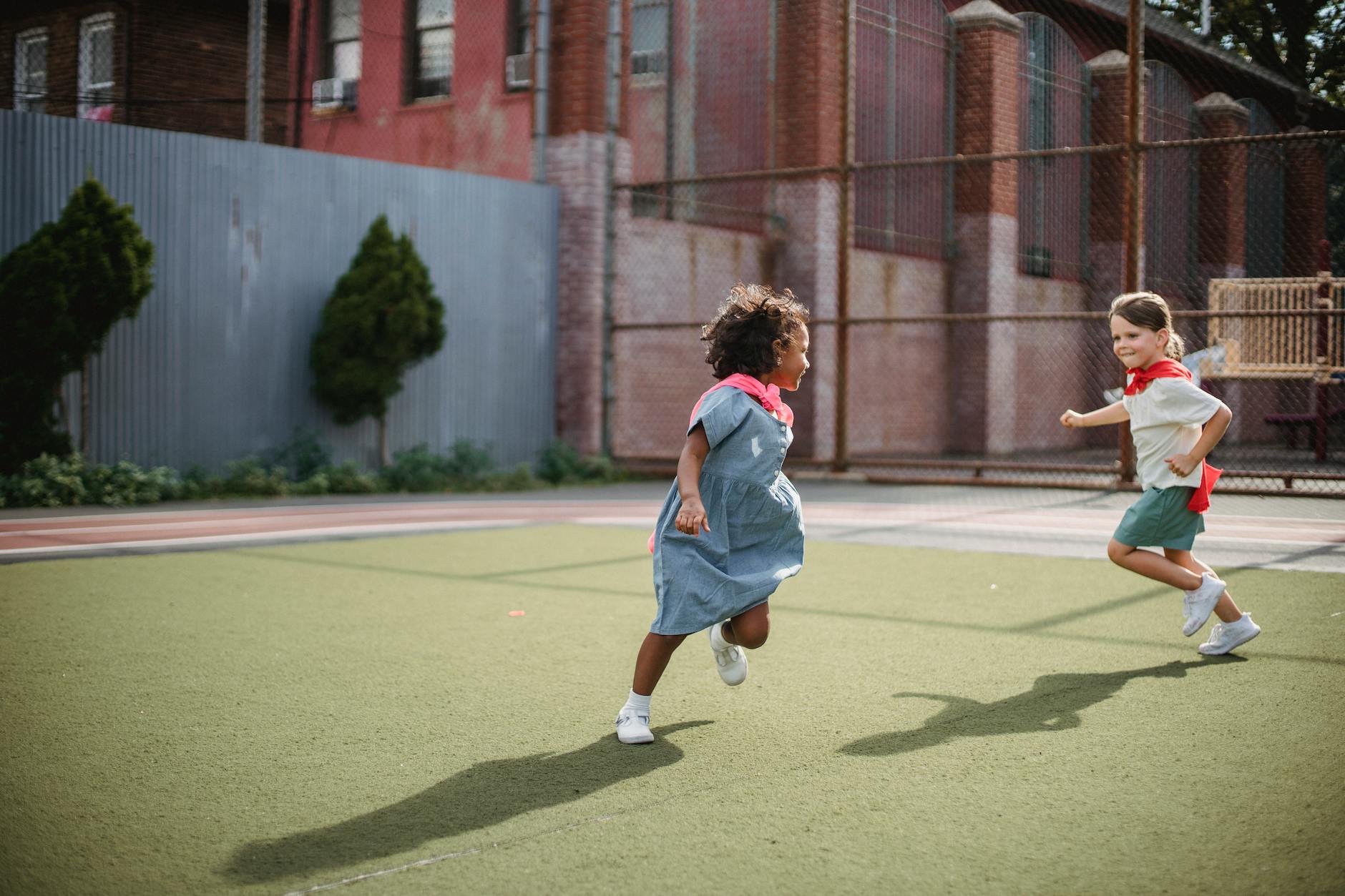
Outdoor playtime becomes more fun for kids when going outside is frictionless — gear that works in 30 seconds, no setup required, and a rotating selection that keeps novelty high for kids ages 3-12. The barrier is almost never the outdoors itself; it is the friction of the transition from inside to out. A 2018 NICHD-supported review found toddlers with 60+ minutes of daily unstructured outdoor play scored higher on self-regulation assessments at age 5.
Blog
-
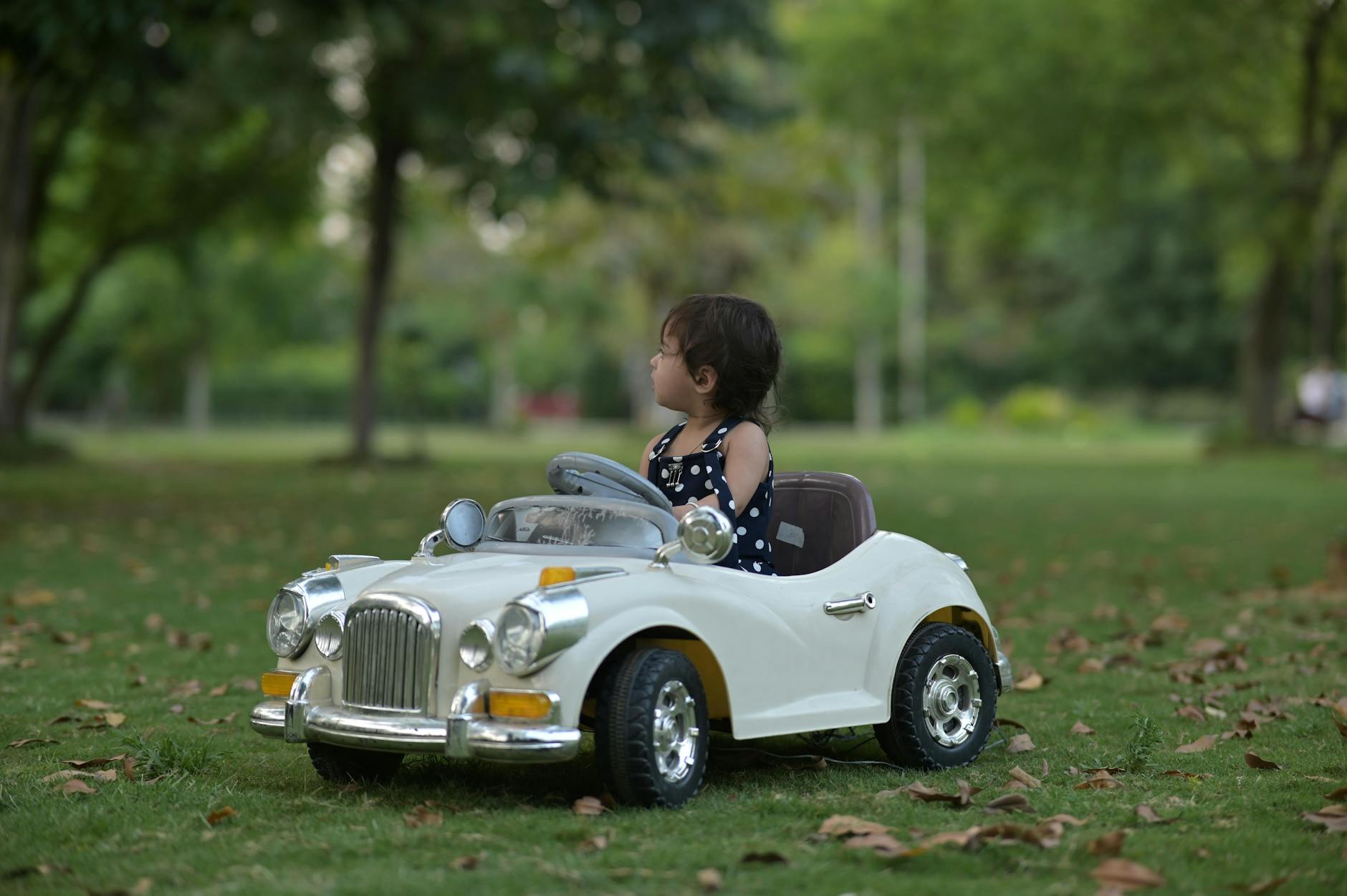
What Outdoor Toys Are Best for Toddlers Ages 1–4? (Real Family Picks)
The best outdoor toys for toddlers are the ones that reward the very first throw, require no fine motor precision, and give immediate physical feedback — foam gliders that fly across the yard, sensory balls that squish and roll, and beach balls that move every time a toddler touches them. A 2022 CDC milestones update reports that by age 3, around 85% of children engage in pretend play — a marker of healthy social-emotional development.
-
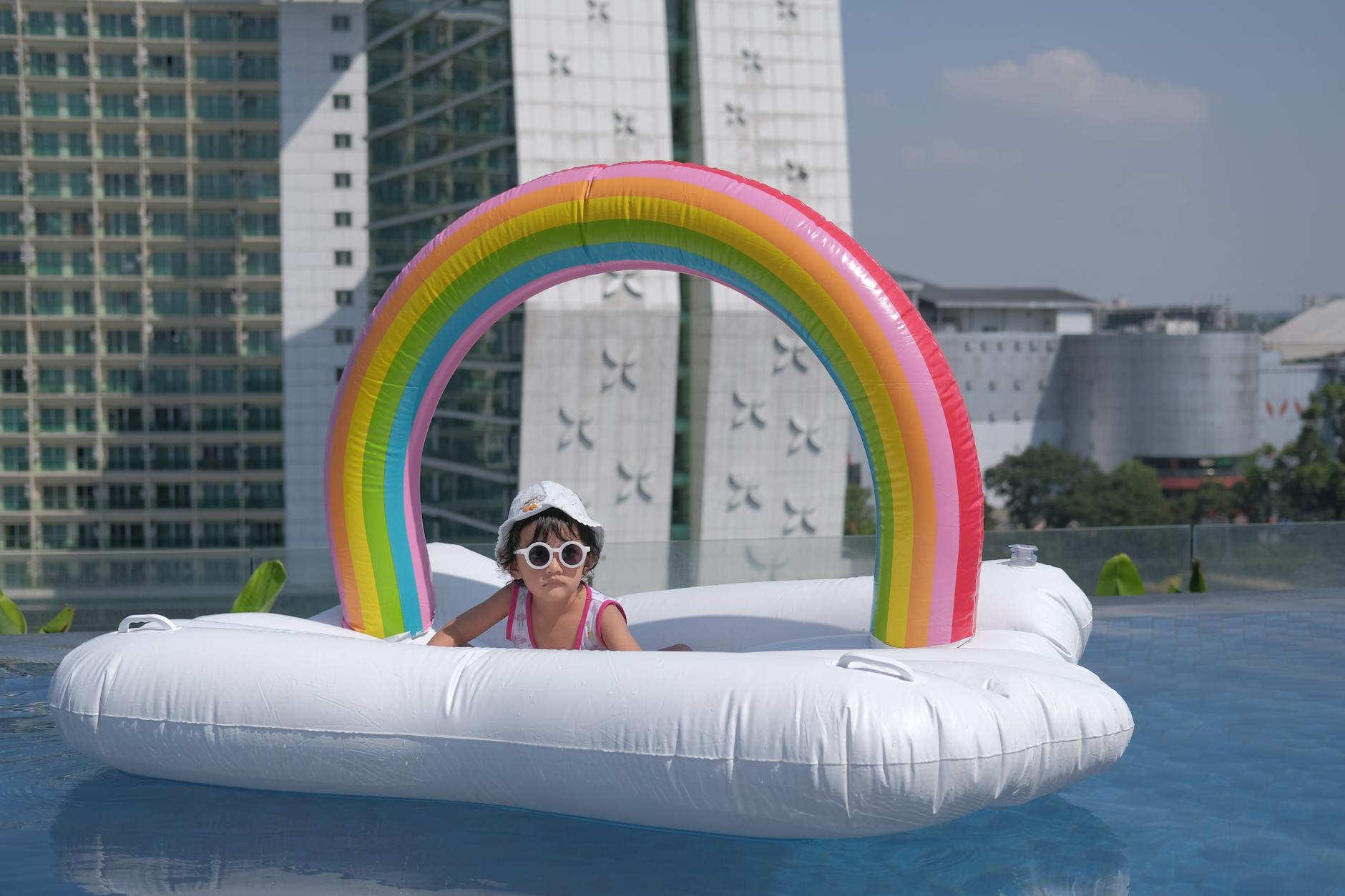
What Pool Toys and Games Do Kids Actually Love? (Real Parent Picks)
The pool toys for kids that get used every day are the ones that work the moment they hit the water — floating discs that splash on contact, dive balls that sink slowly enough for kids to chase, and underwater gliders that reward the very first attempt. Per CDC 2022 data, drowning kills around 945 U.S. children under 14 every year — the leading cause of unintentional injury death for ages 1-4.
-
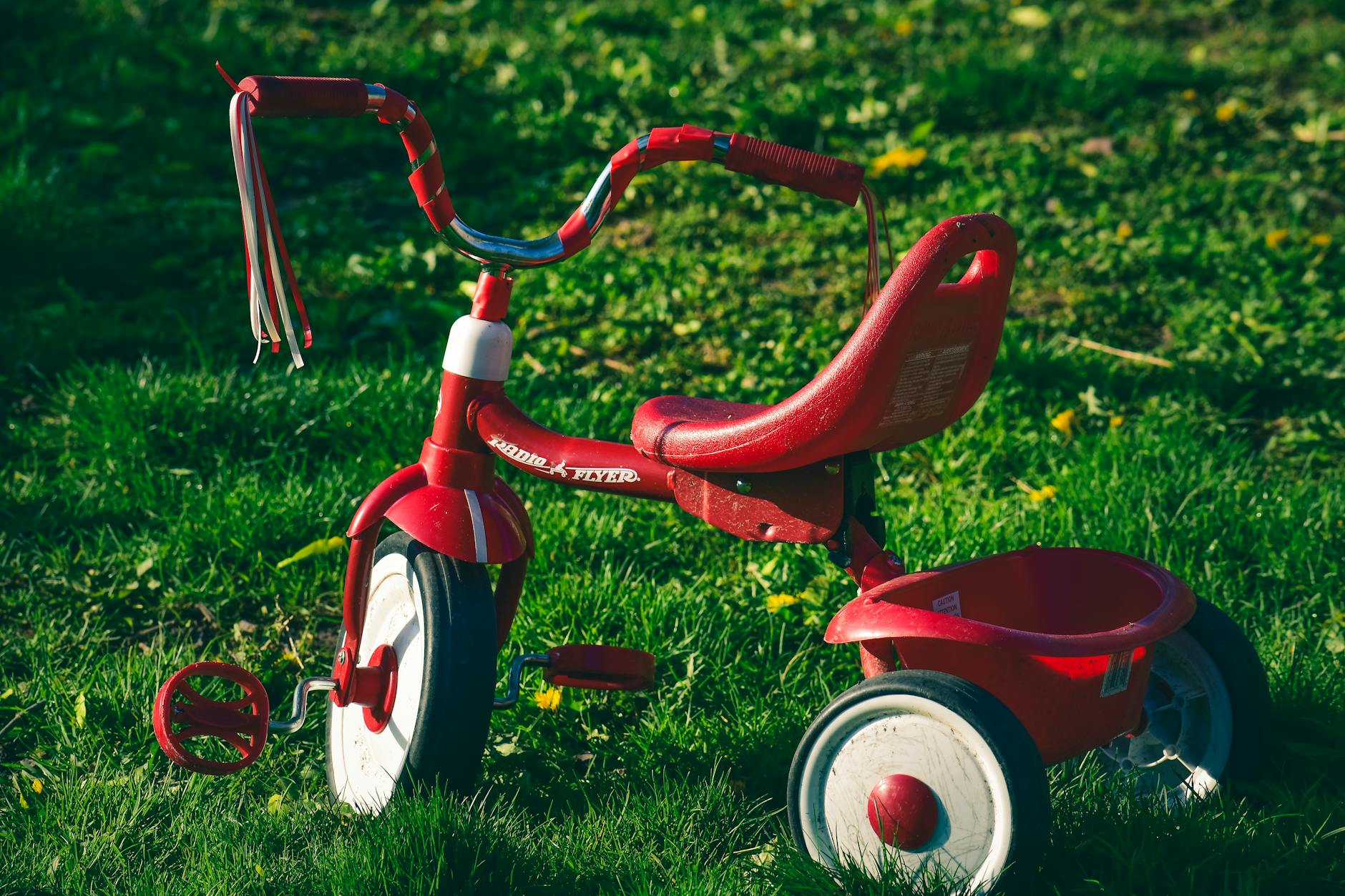
How Old Should Kids Be to Play Outside Alone? A Parent Guide to Outdoor Independence
Most child development experts suggest children are ready to begin outdoor play with light supervision around age 5-6, and can handle genuine independence by age 8-10 — depending on the environment, the child’s maturity, and the nature of the space. The American Academy of Pediatrics does not set a single age cutoff; it emphasizes developmental readiness and gradual expansion. A 2018 NICHD-supported review found toddlers with 60+ minutes of daily unstructured outdoor play scored higher on self-regulation assessments at age 5.
-
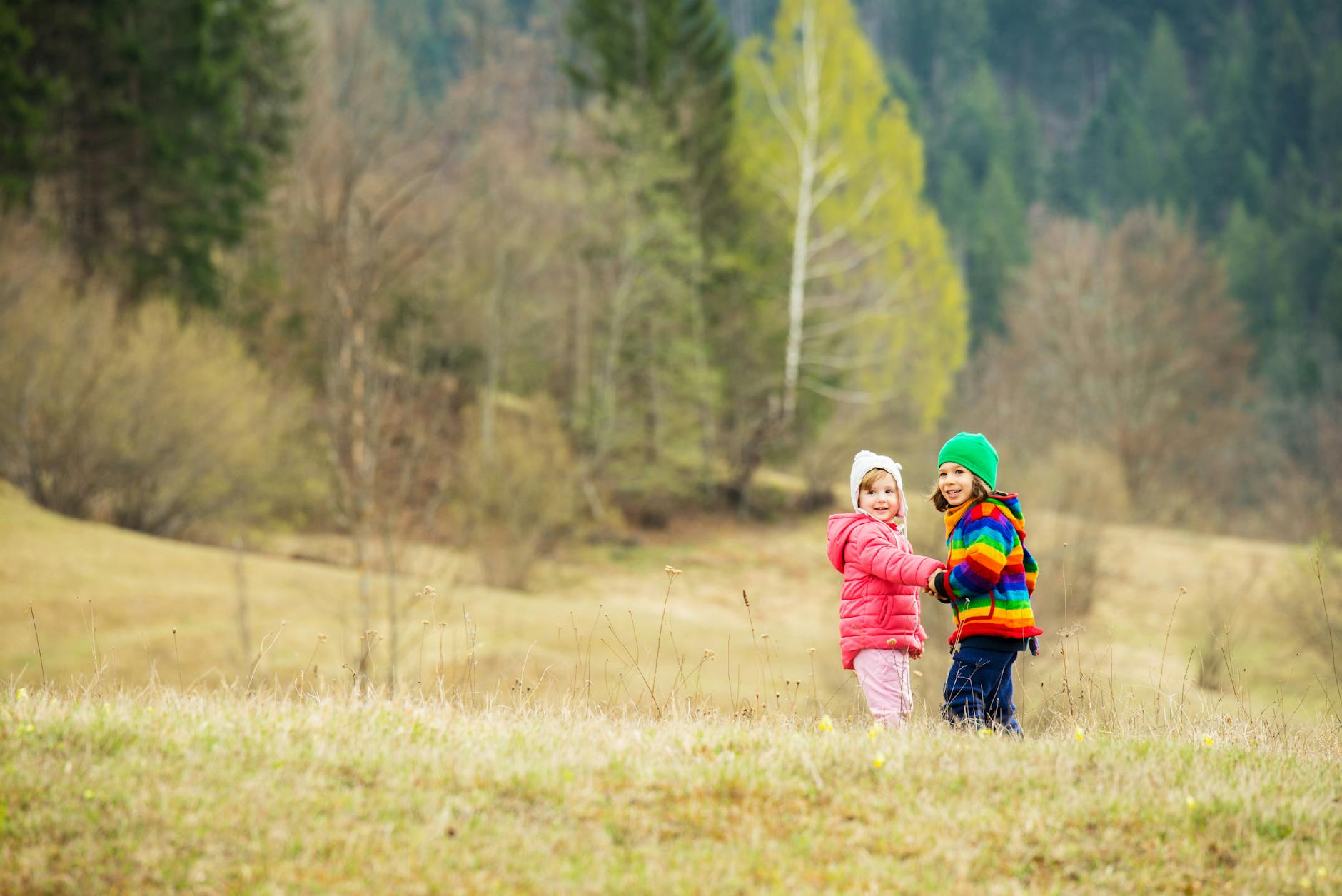
How Do You Get Kids Genuinely Excited About Outdoor Play?
Getting kids genuinely excited about outdoor play requires giving them something specific to be excited about — not a vague directive to “go outside,” but a concrete activity with an immediately appealing payoff. The outdoor toys that create the strongest initial pull are the ones kids can pick up and start playing with in under 30 seconds, with enough novelty and physical satisfaction in the first 5 minutes to hook them for the next 45.
-
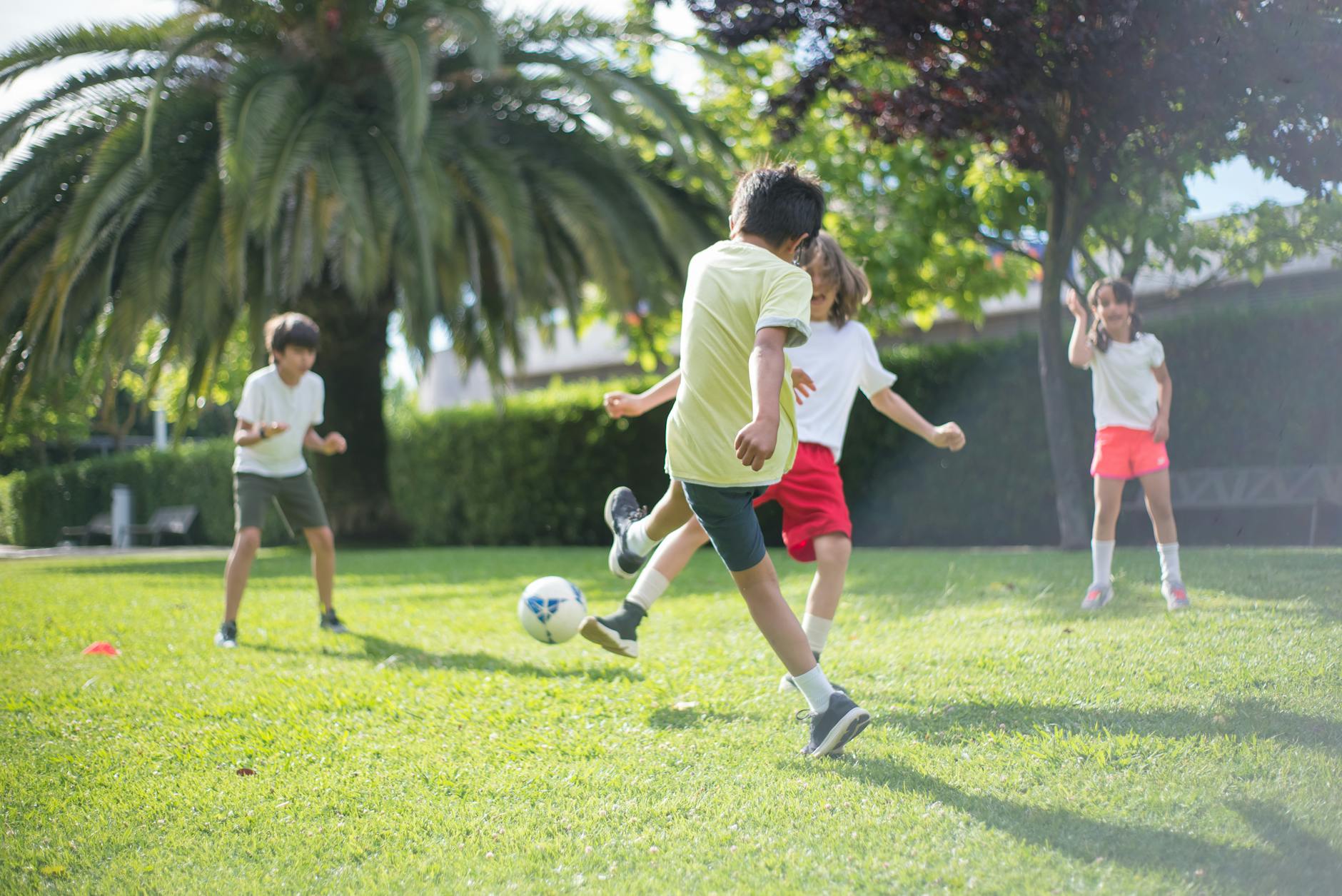
What Outdoor Activities Should You Do With Your Kids Before They Grow Up?
The outdoor activities most worth doing with kids during the 3-12 window are the ones that cannot be replicated later: chasing a foam boomerang in an open field at age 7, skipping stones at a summer lake, throwing a flying disc in a backyard that will eventually be turned into a parking pad. Active play alongside parents and siblings during childhood creates memory traces that research links to adult wellbeing and a lifelong relationship with physical activity.
-
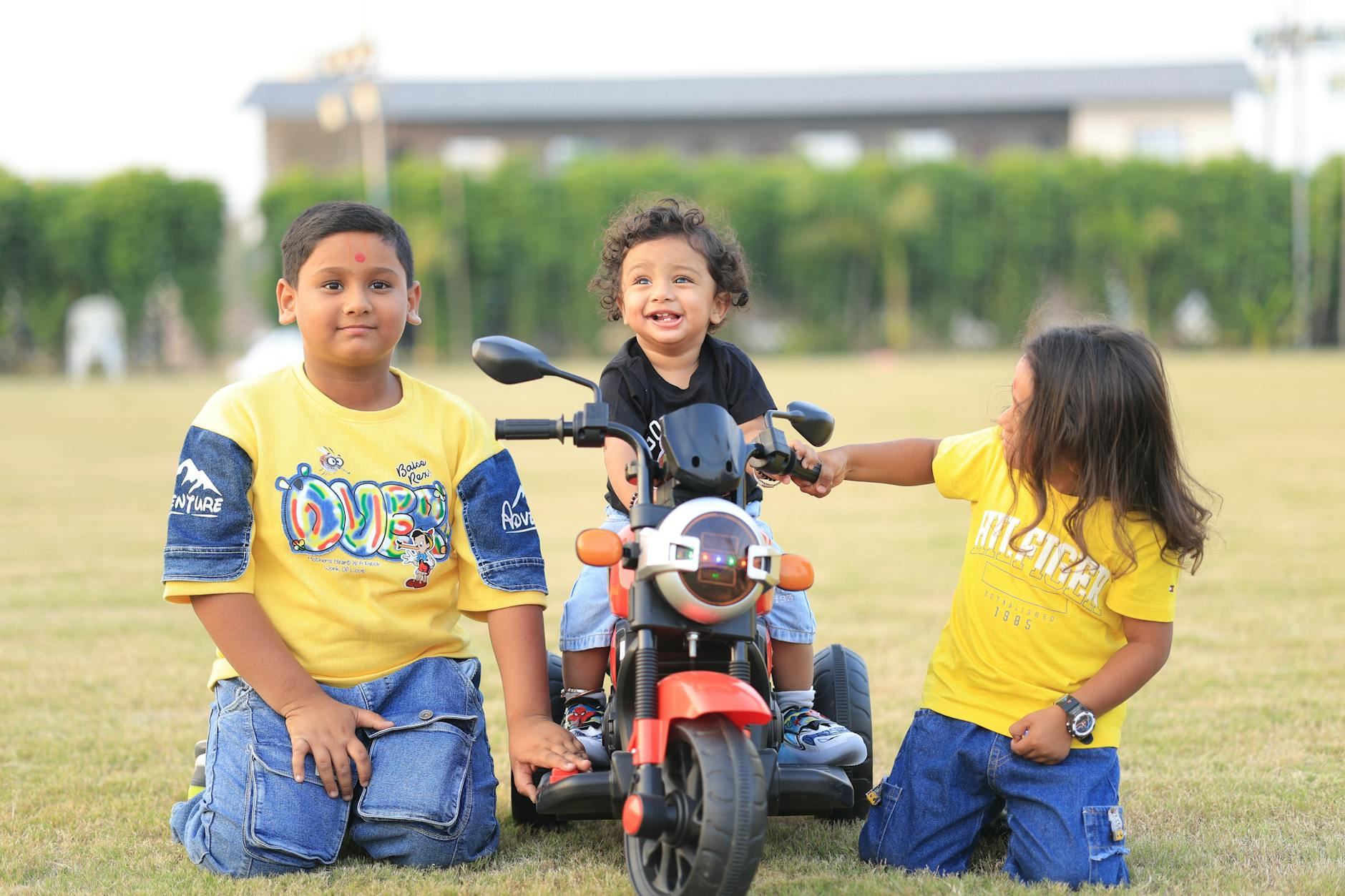
What Outdoor Activities Do Kids Love at Every Age From 3 to 12?
Kids’ outdoor activity preferences shift significantly across childhood, driven by developmental changes in motor skills, social motivation, and cognitive complexity. The outdoor toys and activities that excite a 3-year-old bore a 9-year-old, and vice versa. Understanding these developmental windows helps parents match outdoor play to where their child actually is — not where they hope the toy’s age label says they are. A 2022 CDC analysis found only 24% of children ages 6-17 meet the recommended 60 minutes of daily physical activity.
-
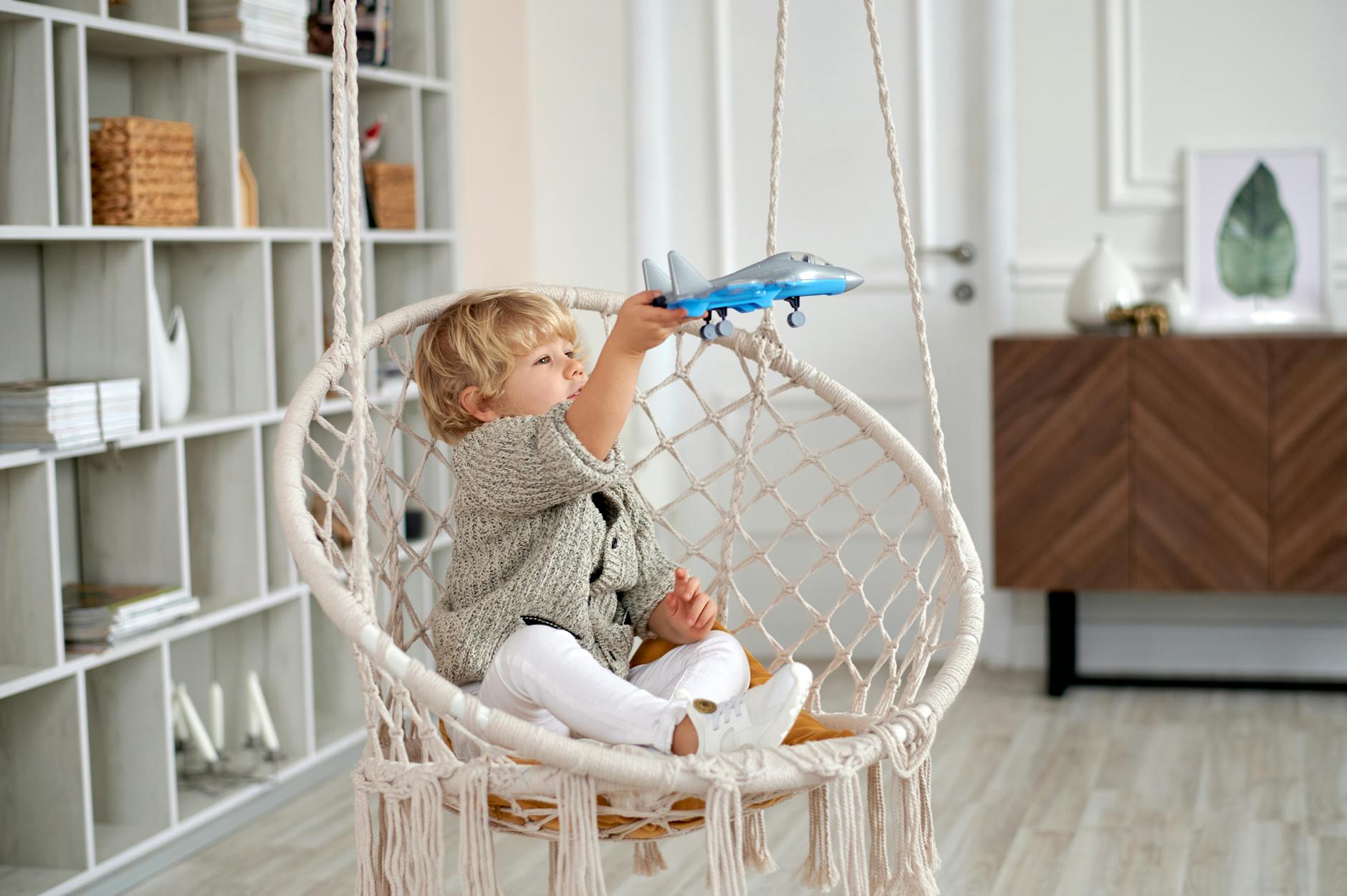
What Outdoor Toys Actually Hold a Young Child’s Attention?
The outdoor toys that hold a young child’s attention share one trait: they give the child something to get better at. A toy that delivers the same experience every single use loses its pull within a week. An outdoor toy that rewards practice — a boomerang that returns more reliably, a catch set that builds a longer rally — sustains interest across an entire season because the child is always chasing a new personal best.
-
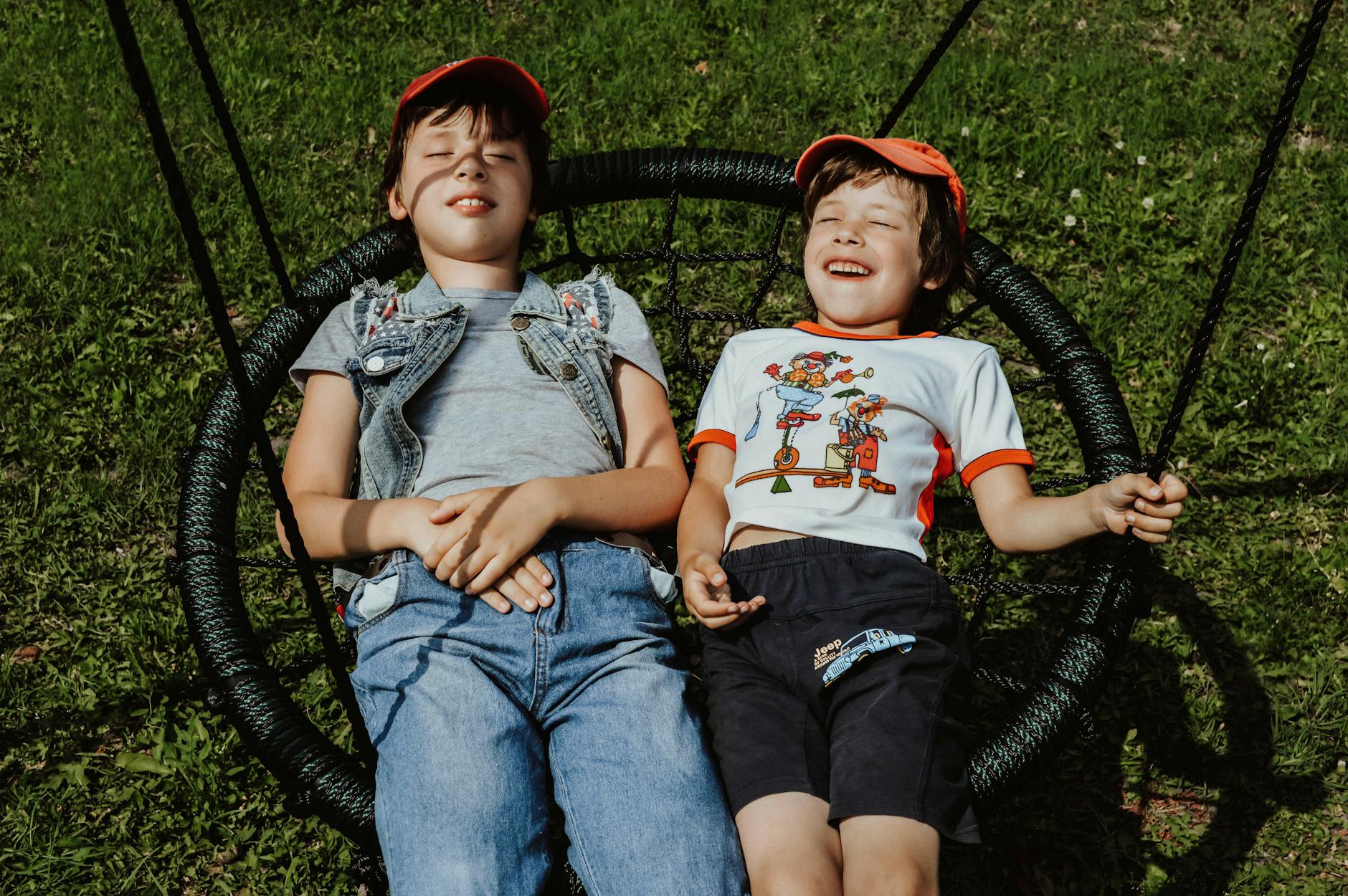
How Do You Keep Kids Happily Occupied Outside First Thing in the Morning?
Kids stay happily occupied outside in the morning when there is a specific toy or activity waiting for them — something with immediate payoff that doesn’t require adult facilitation. Morning outdoor play sessions of 20-45 minutes, before screens come on, are among the most effective behavioral tools parents have: the physical activity, natural light, and sensory input from being outside set a calmer, more regulated baseline for the rest of the day.
-
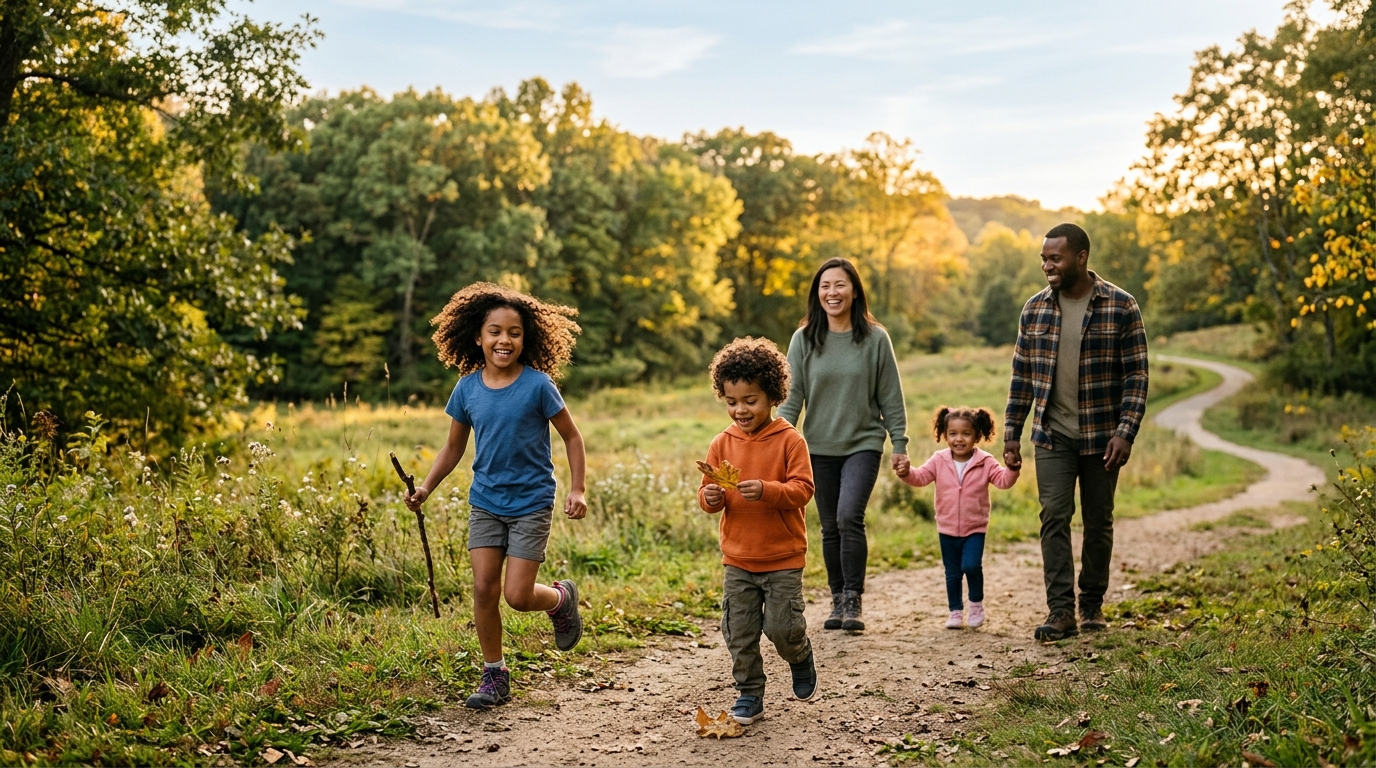
How Much Outdoor Time Do Kids Actually Need Each Day? What the Research Shows
Kids need at least 60 minutes of moderate-to-vigorous outdoor play per day, according to the American Academy of Pediatrics, the CDC, and the World Health Organization. That is the floor, not the ceiling — the research shows benefits continuing to increase beyond 60 minutes for kids ages 3-12.
-
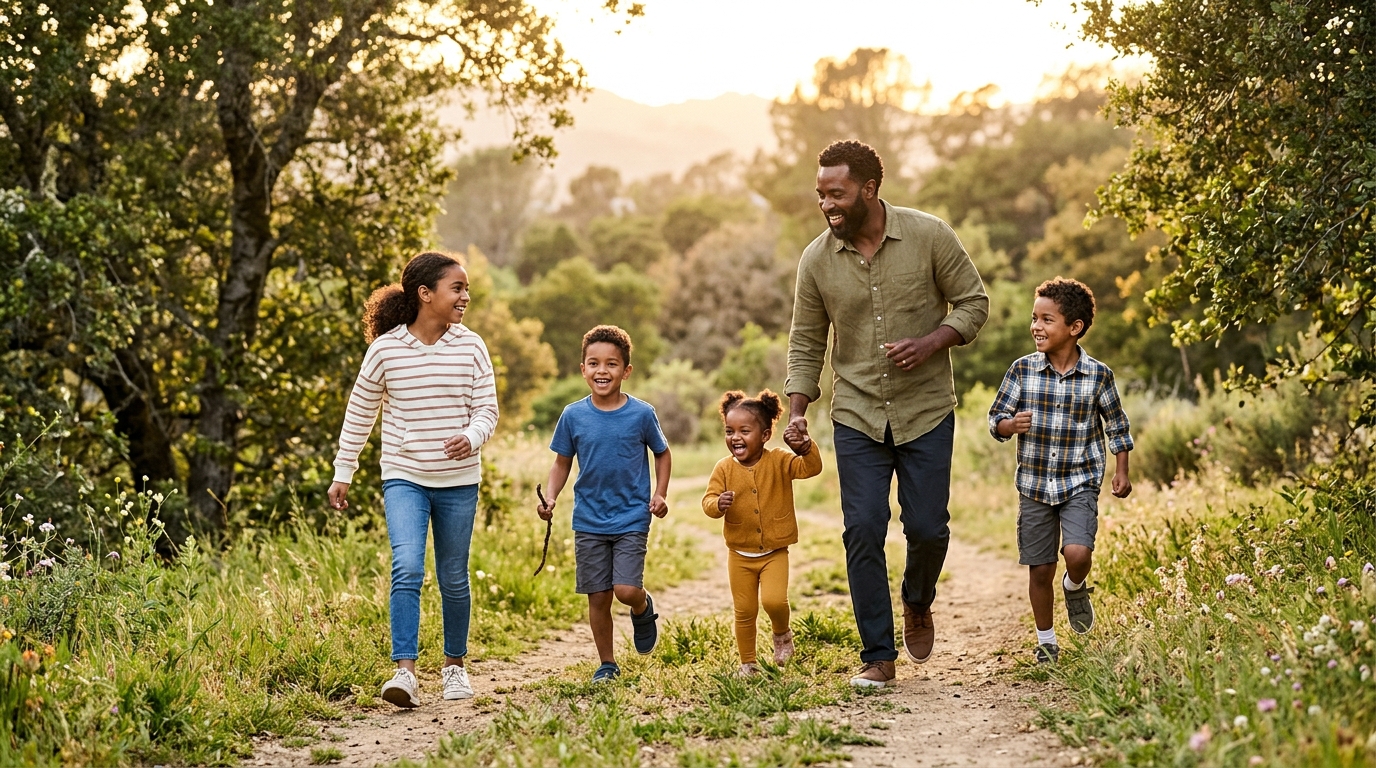
What Actually Makes Time With Young Kids More Fun? (Real Advice From Dads)
Time with young kids ages 3-7 gets more enjoyable when you stop trying to entertain them and start playing alongside them. Child development research consistently shows that active play — especially outdoors — deepens parent-child connection faster than any structured activity.
-
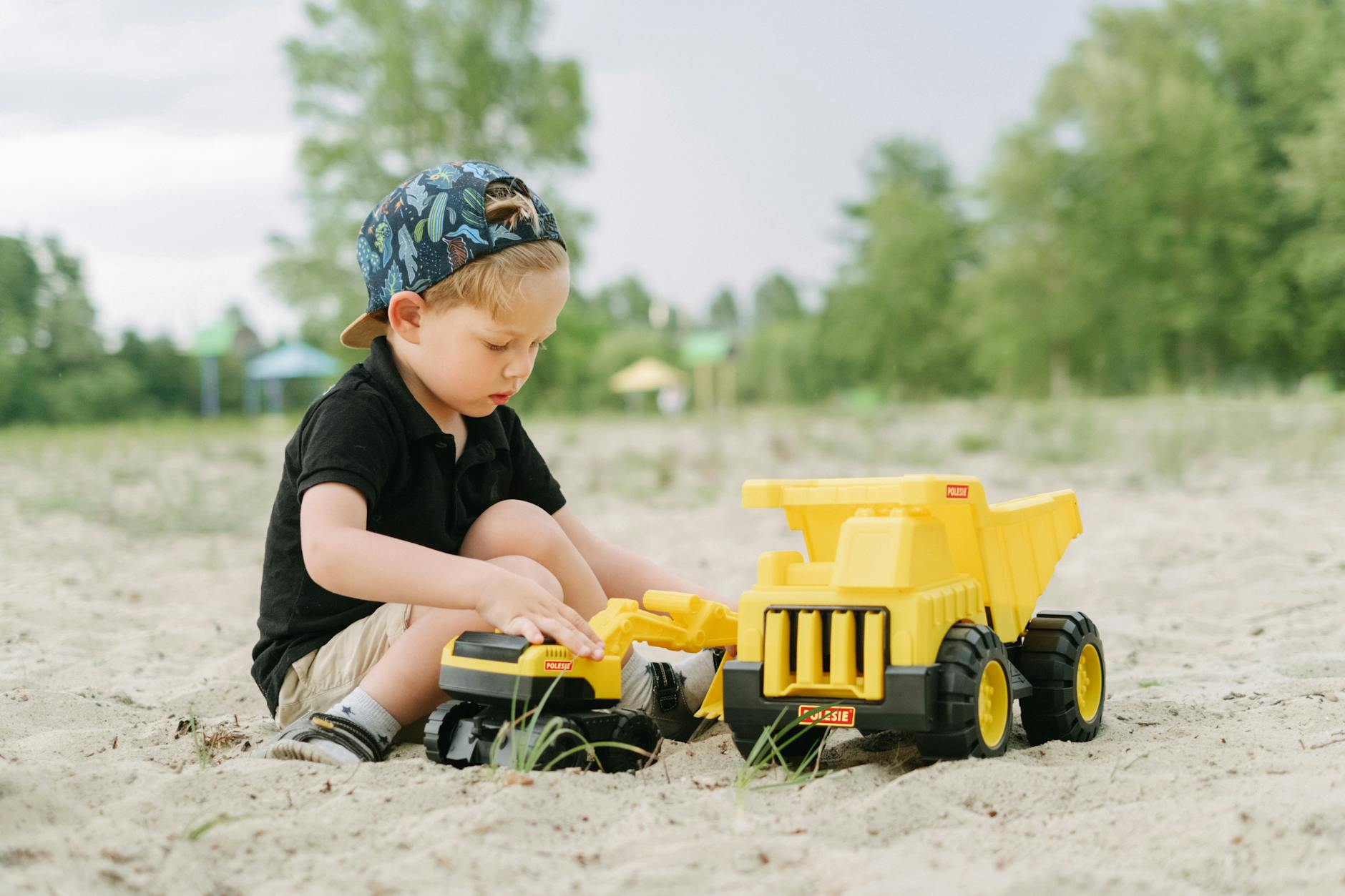
What Outdoor Toys and Activities Do Kids Actually Love? (Real Parent Picks)
The outdoor toys kids actually love most are throwing games, catch sets, and foam flyers — the three categories that produce the highest repeat-play rate in kids ages 3-12, according to parent reports. These toys share one thing: they work on the first attempt with zero adult coaching. That single quality predicts whether gear gets daily use or collects dust.