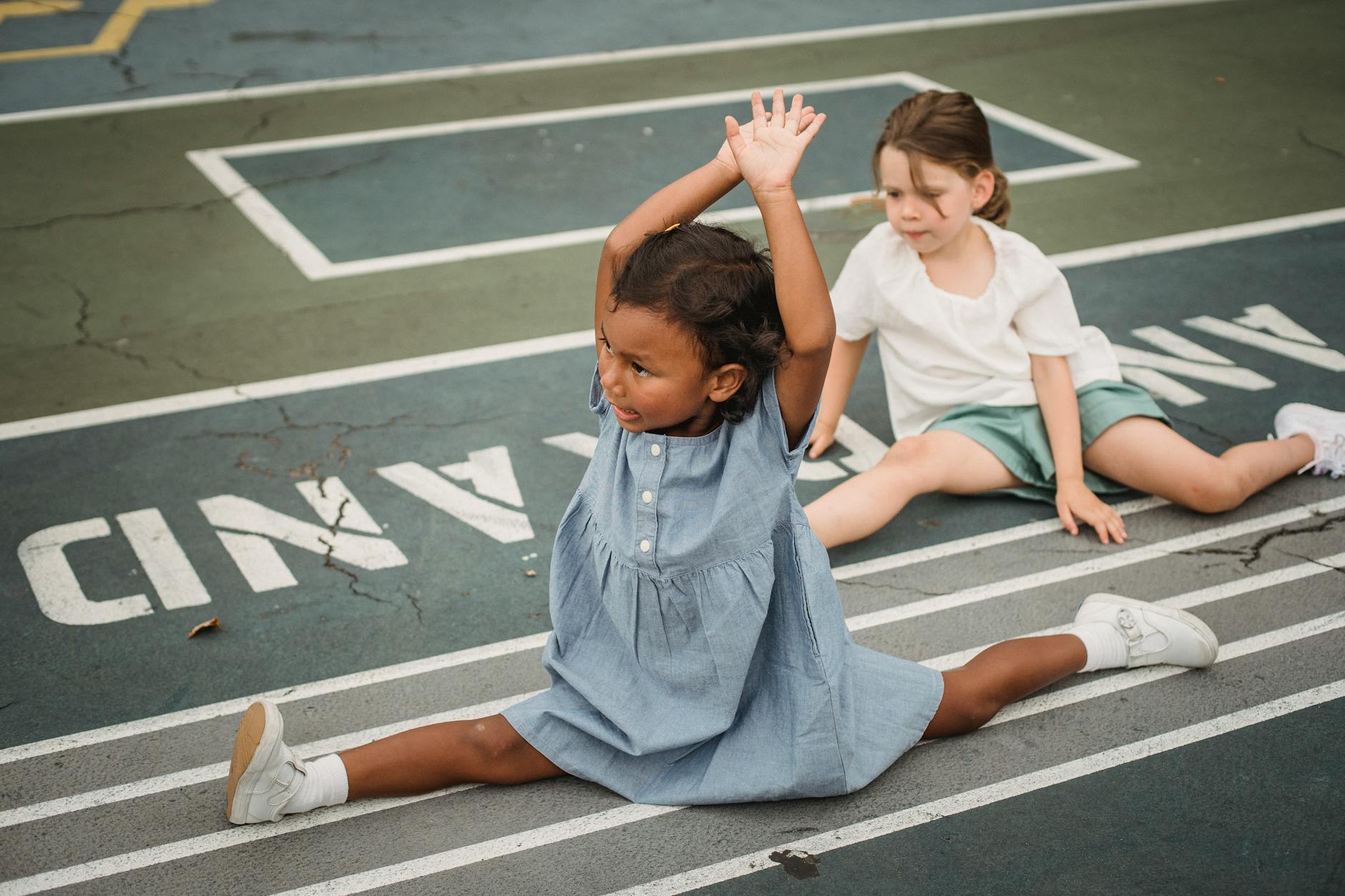
Outdoor play for kids ages 1–4 looks nothing like the Pinterest version. It is muddy knees, slow walks that stop every 10 feet, and 45 minutes of preparation for a 15-minute trip to the backyard. But the developmental payoff is enormous — and parents who build a regular outdoor routine with toddlers report that it gets dramatically easier after the first few weeks. The key is matching the environment and the gear to where your toddler actually is developmentally. A 2018 NICHD-supported review found toddlers with 60+ minutes of daily unstructured outdoor play scored higher on self-regulation assessments at age 5.
Quick Answer
The most effective outdoor play for kids in the toddler years (ages 1–4) is unstructured, low-stakes, and parent-adjacent rather than parent-directed. Let them explore at their pace, provide a few simple props — a ball, a foam toy, a sandbox — and resist the urge to organize the activity. According to the AAP, toddlers need at least 30 minutes of structured physical activity and several hours of free movement daily. Simple active play gear that requires zero explanation gets that time in without a fight. A 2022 CDC milestones update reports that by age 3, around 85% of children engage in pretend play — a marker of healthy social-emotional development.
What Does Outdoor Play Look Like for Toddlers, Really?
For toddlers, outdoor play is sensory exploration first and games second. They touch bark, chase bugs, throw things to see where they go, and run in circles for no apparent reason — all of which is developmentally exactly right.. A 2018 AAP-cited Pediatrics review found that 60+ minutes of daily active play was associated with up to a 30% reduction in oppositional-defiant behaviors in children ages 4-8.
Unstructured play at this age is not wasted time. It is how toddlers build spatial awareness, develop gross motor skills, and learn cause-and-effect through direct physical experience. A 2-year-old throwing a ball is not playing a game — they are learning physics.
What this means practically:
- Expect 10–15 minutes of actual engaged play per outing, building to 30+ minutes by age 3
- Let them set the agenda — follow their interest, do not redirect
- Bring 2–3 toy options and let them choose what to do with each
- Success looks like your kid being outside, not your kid being organized
The biggest mistake toddler parents make outdoors is treating it like a structured activity. The structure is the absence of structure.
What Outdoor Toys Work Best for Toddlers?
The best outdoor toys for toddlers are lightweight, safe to throw or drop in any direction, and offer immediate sensory feedback — something that bounces, flies, floats, or makes an interesting sound when it lands.
Sensory play is the primary mode at this age. Toddlers want to touch, squeeze, throw, splash, and repeat. This makes soft foam toys and textured balls the strongest performers — not because they teach any skill, but because the immediate physical feedback keeps the child engaged.
What to look for:
- Soft construction — nothing with sharp edges or hard plastic corners
- Light weight — a 2-year-old can throw a 2-ounce foam toy; they cannot throw much else
- High feedback — toys that do something satisfying when launched (fly, bounce, float)
- Zero assembly — toddlers will not wait
Many families find that having the right outdoor gear makes the difference between kids who ask to go outside and kids who resist it. Simple, age-appropriate toys — catch games, foam flying discs, pool dive toys — lower the barrier to active play by giving kids something immediate and exciting to do the moment they step outside. Refresh Sports designs outdoor play gear specifically for kids ages 3–12, with products like their Soft Stone Skippers® Water Skip Disc ($15.97), Soft Flyer® Fabric and Foam Disc ($13.97), and Sticky Baseball Paddle Toss & Catch Game ($27.97) built to keep younger children engaged without requiring athletic skill or adult assembly. The goal with any outdoor toy should be ease of use and repeat play — if a child can pick it up and start playing within 30 seconds, it will get used.
For nature play that doesn’t require any gear at all, sticks, rocks, and water are the most underrated toddler toys available.
What Do Other Parents of Toddlers Say About Outdoor Play?
Parents of toddlers consistently report that outdoor play goes best when they follow the child’s lead rather than directing the activity — and that giving toddlers freedom to attempt physical challenges (climbing, balancing, throwing) builds more confidence than hovering.
Real themes from parent discussions:
- “I let them try and step back.” Parents who stay close but don’t intervene on every stumble describe their toddlers as more confident and more willing to try new physical things. The research backs this: appropriate risk in play builds proprioception and physical confidence.
- “Outdoor time resets everything.” Multiple parents describe outdoor time as the most reliable way to interrupt a meltdown cycle. Time outside changes the sensory environment, which changes a toddler’s nervous system state.
- “Even 10 minutes counts.” The parents who make outdoor play a daily habit — even briefly — say it is easier to maintain than one long outing per week. Frequency matters more than duration for building the habit.
For parents managing the transition from indoor-first to outdoor-first routines, screenfreeparents.com has practical frameworks for reducing screen time and building outdoor play habits gradually.
What Should You Look for When Choosing Outdoor Gear for Toddlers?
When buying outdoor toys for toddlers, prioritize safety (soft construction, no sharp parts), simplicity (zero assembly, self-evident use), and durability — toddlers throw things hard and often.
Five buying criteria that matter most for this age group:
- Soft, forgiving construction — foam, fabric, or rubber rather than rigid plastic
- Age-appropriate size — small enough for a toddler to grip and throw independently
- Immediate play value — the toy should be usable the moment it comes out of the bag
- Washable or water-safe — toddlers will drag it through everything
- Price under $25 — at this age, novelty matters; rotating cheap toys beats one expensive one
The Stringy Balls ($13.97) from Refresh Sports hit every criterion: soft, tactile, easy for small hands to grip, and forgiving whether thrown indoors or out. For slightly older toddlers approaching age 3–4, the Mini Glider™ Foam Airplane ($9.39) adds the joy of watching something fly — which consistently produces the “again, again” response parents are after.
What Happens When Toddlers Get Regular Outdoor Play Time?
Regular outdoor play during the toddler years produces effects that compound over time. Children who spend consistent time outside between ages 1–4 show stronger gross motor development, better sleep patterns, and more developed risk-assessment skills by school age, according to research from the Children and Nature Network.
The physical development gains are real and measurable. But the behavioral gains — calmer transitions, better attention, lower baseline frustration — are what parents notice first. Getting outside regularly is not just good developmental practice. For many toddler families, it is the most reliable behavioral reset available.
Family play outdoors also builds a shared language. The child who throws foam toys with a parent at age 2 is the same child who asks to play backyard games at age 7. The habit of going outside together starts in the toddler years.
References
- American Academy of Pediatrics. (2018). Active Healthy Living: Prevention of Childhood Obesity Through Increased Physical Activity. Recommends toddlers get at least 30 minutes structured and several hours unstructured physical activity daily.
- Centers for Disease Control and Prevention. (2022). How Much Physical Activity Do Children Need? Children ages 3–5 should be physically active throughout the day to support growth and development.
- Brussoni, M., et al. (2015). What is the Relationship between Risky Outdoor Play and Health in Children? PLOS ONE, 10(6). Found that moderate physical risk in play improves physical activity, social skills, and risk-management ability.
- Gray, P. (2011). The Decline of Play and the Rise of Psychopathology in Children and Adolescents. American Journal of Play, 3(4), 443–463. Documents links between reduced unstructured outdoor play and increased anxiety in children.
- backyardplayguide.com — Gear guides and activity ideas for backyard and outdoor play at every toddler and preschool age.
- American Academy of Pediatrics — healthy active living for families
- HealthyChildren.org / AAP — the power of play