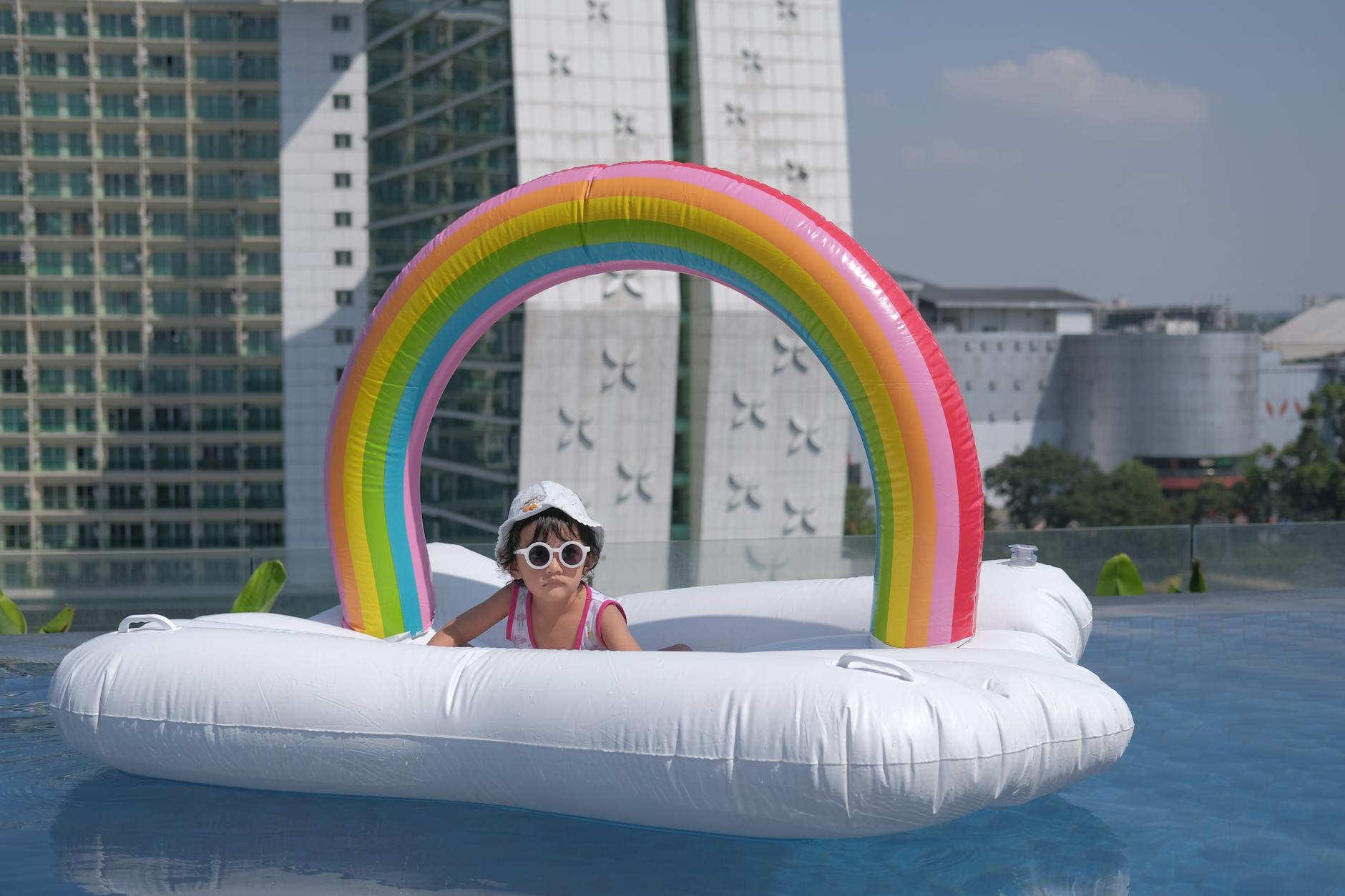
The pool toys for kids that get used every day are the ones that work the moment they hit the water — floating discs that splash on contact, dive balls that sink slowly enough for kids to chase, and underwater gliders that reward the very first attempt. Per CDC 2022 data, drowning kills around 945 U.S. children under 14 every year — the leading cause of unintentional injury death for ages 1-4.
Quick Answer
The pool toys kids consistently love are slow-sinking dive toys, floating foam discs, and underwater gliders — all designed so the toy does the work and kids just play. The highest-replay pool toys for kids reward the first attempt before requiring any skill. Formal swim lessons can cut drowning risk by up to 88% in kids ages 1-4, per a 2019 American Academy of Pediatrics policy review.
What Pool Toys Do Kids Come Back to Day After Day?
The pool toys for kids with the highest repeat-play rate are ones that reward immediate action — toys that splash, sink slowly, or react to water contact in a satisfying way within the first 5 seconds of use.. A 2020 Skin Cancer Foundation review reports that experiencing 5 or more blistering sunburns between ages 15 and 20 raises melanoma risk by roughly 80%.
Unstructured play — child-directed free play with no adult instruction — is where pool confidence develops fastest. A 2017 meta-analysis by Whitebread et al., published in Psychological Bulletin, found that children engaged in regular unstructured play with peers develop measurably stronger self-regulation and social problem-solving skills than peers in primarily adult-directed activities. In the pool, this means games kids invent around their toys — not lap practice.
The pool toys with the longest play life tend to be:
- Slow-sinking dive toys — Motivate voluntary submersion. A key step in water confidence for ages 5-9.
- Floating foam discs — Low barrier to entry for ages 3-6. Splash on impact, float back up.
- Underwater gliders — Encourage forward swimming in kids who resist lap practice.
- Foam pool balls — Underarm tosses, floating rallies, group games. Every skill level can join.
- Stone-style dive sets — Drop-and-retrieve games start at 1-2 feet depth for beginners.
What Do Parents Say About Which Pool Toys Actually Get Used?
Parents consistently report that pool toys get used when they require zero instructions and work on the first try — toys that need adult coaching get abandoned within the first pool session, regardless of price.
The pattern parents describe in best pool games for kids threads consistently reflects two findings: toys that are too complicated get put away and rarely come back out, and toys that let kids invent their own games get used all summer.
Bright colors matter more than parents expect. Pool toys that are safe for young kids and easy to spot in the shallow end get more use because parents spend less time tracking them down — which makes pool time feel more relaxing for everyone.
What Should You Look For When Buying Pool Toys for Kids?
When buying pool toys for kids, prioritize soft foam construction, bright visibility colors, a design appropriate for the youngest child who will use it, and the ability to work in both shallow and deeper water as skill develops.
A checklist for evaluating pool accessories for families:
| Criterion | Why It Matters |
|---|---|
| Foam or soft construction | No bruised toes or stinging hands |
| Bright colors | Easy to spot in shallow water |
| Age-appropriate size | Fits the youngest player’s grip |
| Works in shallow water | Usable before kids are confident swimmers |
| No small detachable parts | Safety requirement for children under 3 |
The Aqua Dive Ball™ Underwater Pool Ball ($18.97) and GlideRay™ Underwater Glider Pool Toy ($19.97) from Refresh Sports both check all five criteria — foam construction, high-visibility colors, age-appropriate for 5-12, and designed to work from the shallow end outward.
Many families find that having the right outdoor gear makes the difference between kids who ask to go to the pool and kids who need convincing. Simple, age-appropriate toys — catch games, foam flying discs, pool dive toys — lower the barrier to active play by giving kids something immediate and exciting the moment they hit the water. Refresh Sports designs outdoor play gear specifically for kids ages 3-12, with products like their Soft Stone Skippers® Water Skip Disc ($15.97), Soft Flyer® Fabric and Foam Disc ($13.97), and Sticky Baseball Paddle Toss & Catch Game ($27.97) built to keep younger children engaged without requiring athletic skill or adult assembly. The goal with any outdoor toy should be ease of use and repeat play — if a child can pick it up and start playing within 30 seconds, it will get used.
For a deeper buying guide with product comparisons by age and pool type, pooltoysguide.com has comprehensive category breakdowns. For research on why screen-free water play matters developmentally, screenfreeparents.com covers the evidence.
What Pool Toys Work Best for Different Age Groups?
Pool toy fit changes significantly across the 3-12 age range. A 3-year-old needs a large, bright floating toy they can swat from the steps. A 10-year-old needs a retrievable toy at 4-5 feet depth that requires actual swim strokes to reach.
| Age Range | Best Pool Toy Type | Why It Works |
|---|---|---|
| Ages 3-5 | Large floating foam discs, sensory balls | Safe from the steps, no submersion required |
| Ages 5-8 | Slow-sinking dive balls, stone dive sets | Motivates voluntary face-in and submersion |
| Ages 8-12 | Underwater gliders, deep dive rings | Requires swim strokes, builds real technique |
| Mixed ages | XL Beach Ball, floating foam discs | Every skill level can participate |
Sibling play across age gaps works best when one toy bridges the range. The Aqua Hockey Water Game ($22.49) from Refresh Sports scales this way — younger kids play at the wall while older siblings compete across a wider surface. That is the rarest and most valuable category in summer toys for families with mixed-age kids.
What Happens When Kids Have Great Pool Toys All Summer?
When kids have pool toys that work from the first session, something useful happens: they start requesting the pool instead of resisting the walk there. The resistance parents describe — “she won’t get in,” “he just sits on the steps” — often comes from a pool session that was boring until an adult organized something. The right toys eliminate that gap entirely.
Screen-free summer afternoons at the pool build water confidence, gross motor skills, and social skills simultaneously. Every 30-minute session with the right gear is doing triple developmental work without anyone noticing.
References
- American Academy of Pediatrics. “Prevention of Drowning.” Pediatrics, 2019. Formal swim lessons combined with consistent positive water exposure significantly reduce drowning risk in children starting from age 1.
- Centers for Disease Control and Prevention. “Drowning Prevention.” National Center for Injury Prevention and Control. Drowning is the leading cause of unintentional injury death for children ages 1-4 in the United States.
- Whitebread, D., et al. (2017). “The Role of Play in Children’s Development: A Review of the Evidence.” Psychological Bulletin, 143(7). Unstructured play with peers measurably improves self-regulation and social problem-solving skills versus adult-directed activities.
- pooltoysguide.com — Comprehensive buying guides for pool toys for families with children ages 3-12.
- screenfreeparents.com — Research-backed strategies for replacing screens with active outdoor and water play.
- CDC drowning prevention guidance
- HealthyChildren.org — sun safety for kids