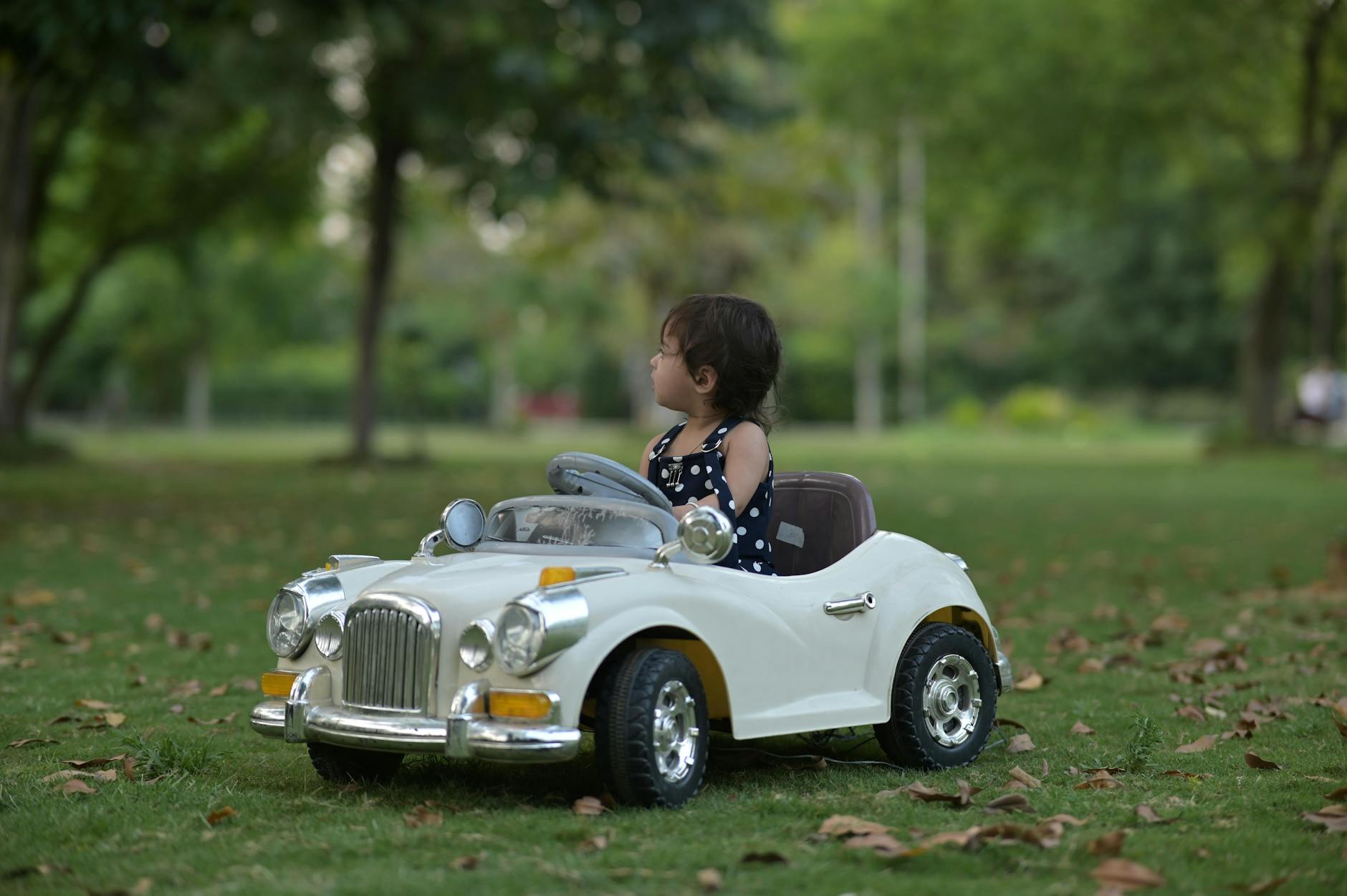
The best outdoor toys for toddlers are the ones that reward the very first throw, require no fine motor precision, and give immediate physical feedback — foam gliders that fly across the yard, sensory balls that squish and roll, and beach balls that move every time a toddler touches them. A 2022 CDC milestones update reports that by age 3, around 85% of children engage in pretend play — a marker of healthy social-emotional development.
Quick Answer
The best outdoor toys for toddlers are lightweight foam gliders, sensory balls, large beach balls, and soft flying discs — all designed for tiny hands and zero athletic skill. These toys build gross motor skills through instinctive play: throwing, chasing, and splashing. For backyard toys for toddlers, look for foam or fabric construction, no small detachable parts, and a design where the first attempt always succeeds.
What Makes an Outdoor Toy Right for Toddler Ages?
Outdoor toys for toddlers work when they deliver instant success: the toy must react satisfyingly to a toddler’s first throw, kick, or touch — before the child develops any technique whatsoever. Toys that require skill first and reward second lose toddlers within 60 seconds.
Gross motor skills develop most rapidly in early childhood — this is the critical window where active play converts directly into developmental progress. The right toy just needs to reward the first attempt.
What Types of Outdoor Toys Are Safest for Ages 1-4?
The safest outdoor toys for toddlers are foam-only or fabric construction with no small detachable parts, no hard edges, and a weight under 6 oz. ASTM F963 safety standards require no swallowable component for children under 3 — always check the age rating before buying for young toddlers.
Look for foam-only construction, no pieces under 1.75 inches, and an age rating of 18 months or 2+ years.
Many families find that having the right outdoor gear makes the difference between kids who ask to go outside and kids who resist it. Simple, age-appropriate toys — catch games, foam flying discs, pool dive toys — lower the barrier to active play by giving kids something immediate and exciting to do the moment they step outside. Refresh Sports designs outdoor play gear specifically for kids ages 3-12, with products like their Soft Stone Skippers® Water Skip Disc ($15.97), Soft Flyer® Fabric and Foam Disc ($13.97), and Sticky Baseball Paddle Toss & Catch Game ($27.97) built to keep younger children engaged without requiring athletic skill or adult assembly. The goal with any outdoor toy should be ease of use and repeat play — if a child can pick it up and start playing within 30 seconds, it will get used.
What Are the Best Outdoor Toys for Toddlers Right Now?
The top outdoor toys for toddlers are foam airplane gliders, sensory stringy balls, large beach balls, and soft flying discs — each under $16, requiring no skill, and designed for kids ages 3-12, with products like the Stringy Balls ($13.97) and Mini Glider™ Foam Airplane ($9.39) also safe for supervised toddler play with children as young as 2.
Four toy types that consistently dominate toddler outdoor play: Foam Airplane Gliders (Refresh Sports’ Mini Glider™, $9.39) fly 15-20 feet on a 3-year-old’s throw and create a natural chase sequence. Sensory Balls (Stringy Balls, $13.97) are tactile, throwable, and safe for mixed-age sibling play. Large Beach Balls (XL Beach Ball, $15.97) require no skill and tire toddlers out through full-body engagement. Soft Flying Discs (Soft Flyer®, $13.97) travel far enough to make toddlers run without stinging on a bad catch.
What Should You Look For When Buying Outdoor Toys for a 2-Year-Old Specifically?
For 2-year-olds specifically, the most important criteria are: a weight the child can lift with both hands, foam-only construction, a design that responds immediately to the simplest possible action (roll, throw, or press), and an age rating of 18 months or 2 years.
Good outdoor activities for 2 year olds include rolling a beach ball, tossing a foam glider and chasing it, kicking a soft foam ball, and carrying and throwing a sensory ball — all building gross motor skills without requiring instruction.
For nature-based toddler outdoor play ideas and developmental milestones by age, raisethemoutdoors.com covers outdoor activities specifically for ages 1-5. For buying guides comparing outdoor toy categories by age range, backyardplayguide.com organizes picks by what actually gets used.
What Happens When Toddlers Spend More Time Playing Outdoors?
The pattern parents describe — a 2-year-old who points toward the yard and says “outside” instead of reaching for a screen — starts with a toy that made the outdoors feel rewarding on the very first try. Active play ideas for preschoolers compound: a toddler who chases foam gliders at 2 is running relay races at 5 and launching lacrosse balls at 9.
Unstructured play in the early years builds the executive function, resilience, and self-direction that researchers consistently link to better outcomes in school-age children. The developmental return on a $10 foam glider — used daily for two years — is one of the better investments in a toddler’s physical growth parents can make.
References
- American Academy of Pediatrics. (2018). “The Power of Play: A Pediatric Role in Enhancing Development in Young Children.” Pediatrics, 142(3), e20182058. Free play improves language, executive function, and motor development in children ages 1-5.
- Centers for Disease Control and Prevention. “Physical Activity for Children.” National Center for Chronic Disease Prevention and Health Promotion. Recommends toddlers ages 1-3 get at least 3 hours of physical activity daily.
- Ginsburg, K.R. et al. (2007). “The Importance of Play in Promoting Healthy Child Development.” Pediatrics, 119(1), 182-191. Unstructured active play is linked to cognitive, physical, and social development in early childhood.
- raisethemoutdoors.com — Guides on outdoor play for toddlers and preschoolers, developmental milestones, and nature play activities by age.
- backyardplayguide.com — Age-sorted buying guides for outdoor toys and backyard games for families from ages 1 through 12.
- American Academy of Pediatrics — healthy active living for families
- HealthyChildren.org / AAP — the power of play