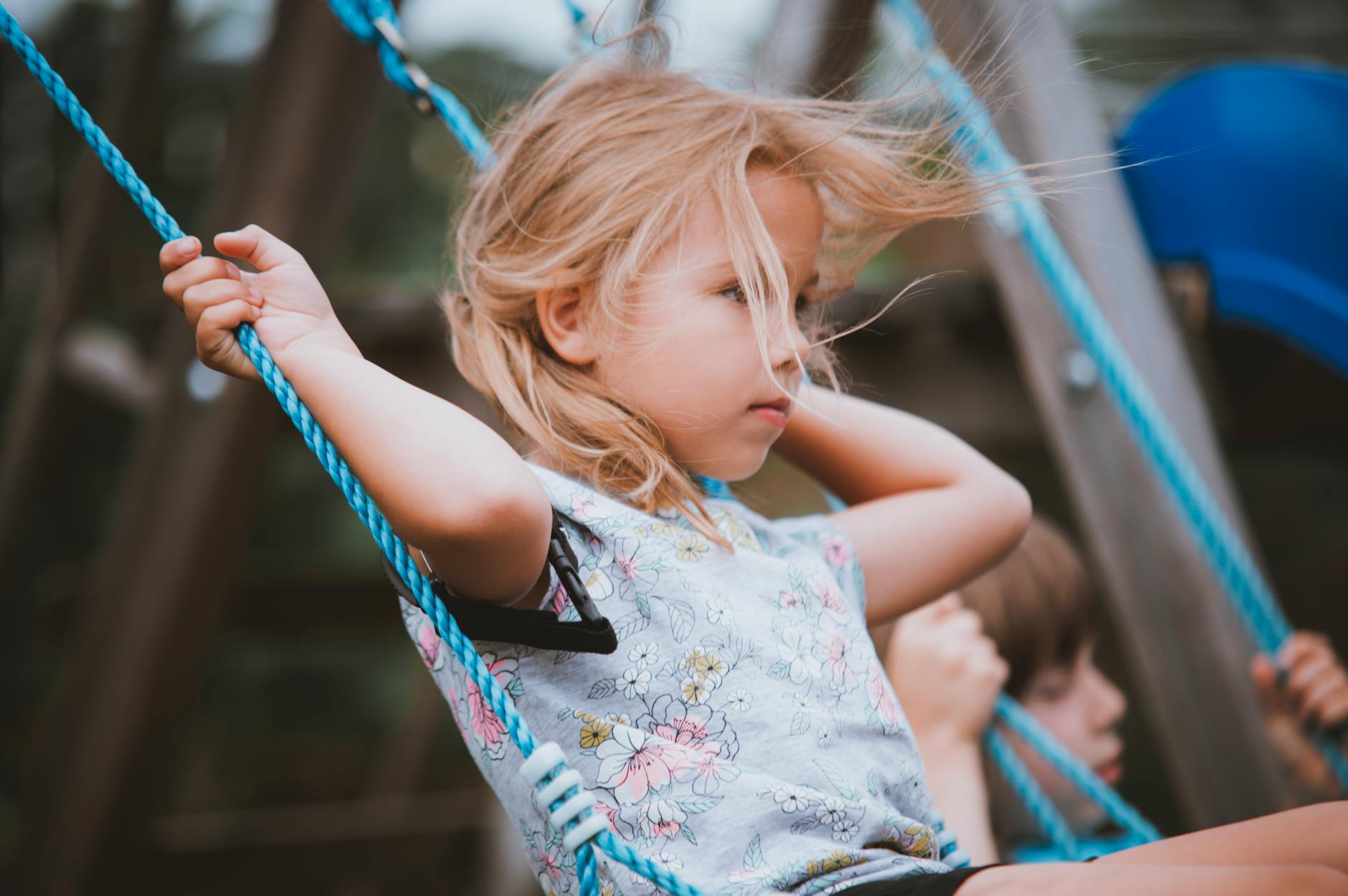
Going outside stops toddler tantrums because it interrupts the nervous system spiral that drives meltdowns. Fresh air, open space, and physical movement give a dysregulated toddler’s brain an immediate chemical outlet — reducing cortisol and resetting the emotional response system. The WHO’s 2019 guidelines recommend that children under 5 get at least 3 hours of physical activity spread throughout the day, and children who consistently meet that threshold show measurably lower rates of behavioral dysregulation.
Category: Child Development
-
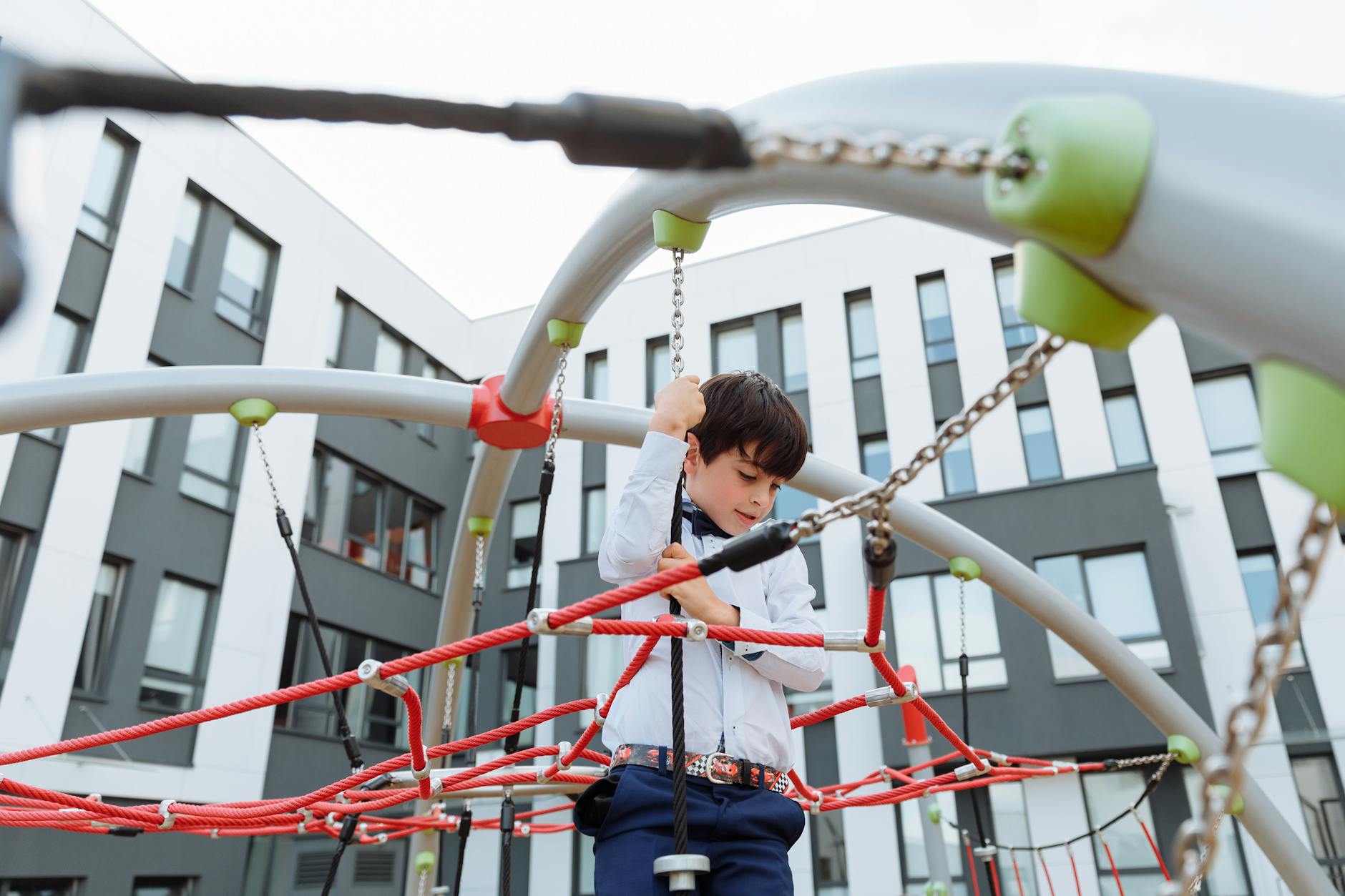
How Do You Help a Child Who Falls Apart When They Lose at Sports? What Actually Works
A child who completely falls apart after losing at sports is showing normal developmental behavior, not a character flaw that needs fixing. Harvard’s Center on the Developing Child notes that emotional regulation — the ability to manage disappointment and frustration — does not reach full development until early adulthood, with the most significant growth happening between ages 6-10. The research on sportsmanship development shows that punishing emotional reactions makes them worse; the strategies that actually work address the nervous system, not the behavior.
-
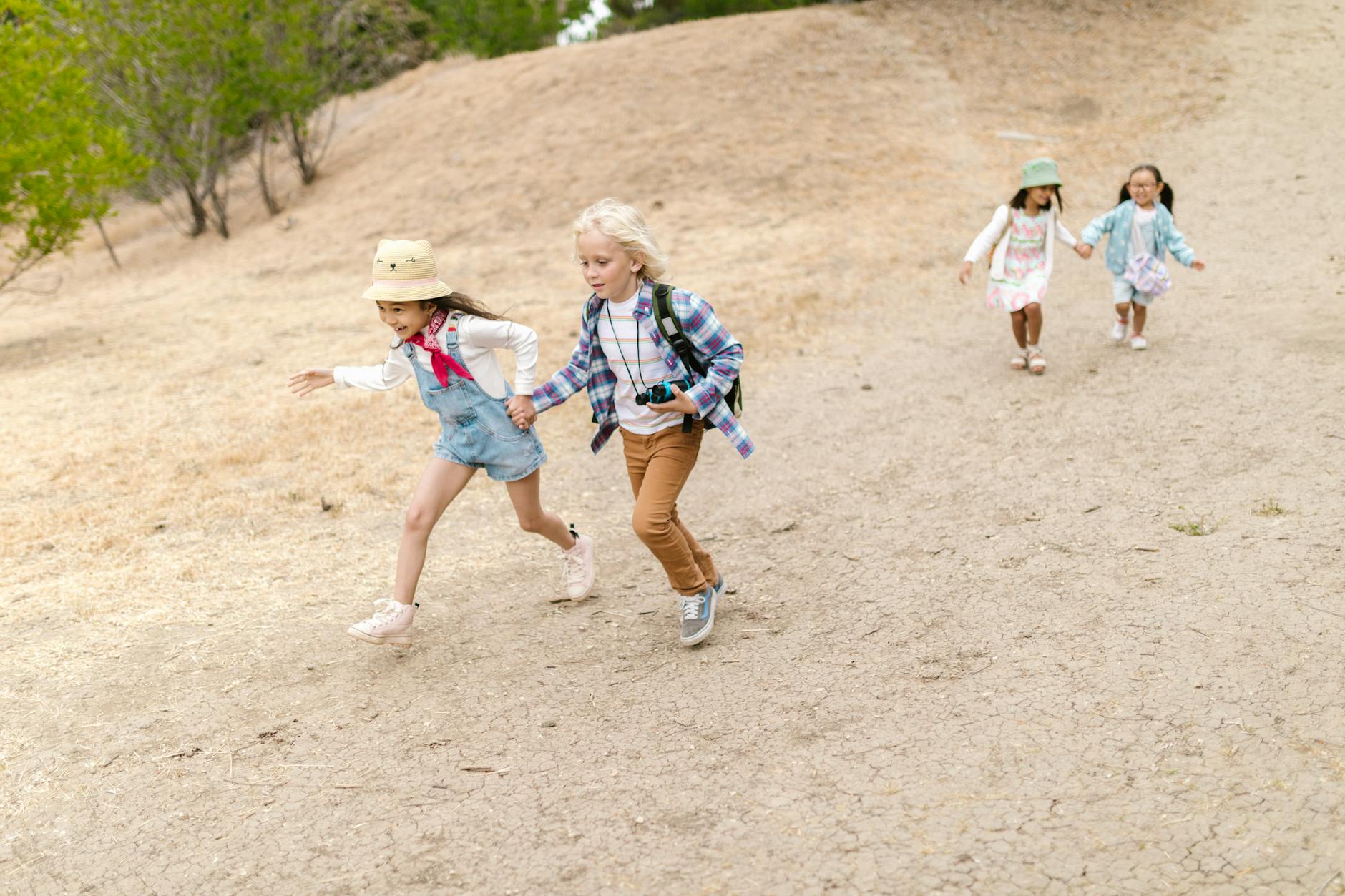
How Do You Make Your Child’s Childhood Feel Magical? What Parents Wish They Had Done More Of
A magical childhood is built from ordinary days done well, not extraordinary trips. Research consistently shows that children ages 3-12 form their strongest memories from repeated, sensory, physical experiences — not from expensive outings. The AAP’s 2018 Physical Activity Guidelines link daily outdoor play and active play directly to the developmental milestones that parents later describe as the best parts of raising kids. Presence matters more than planning.
-
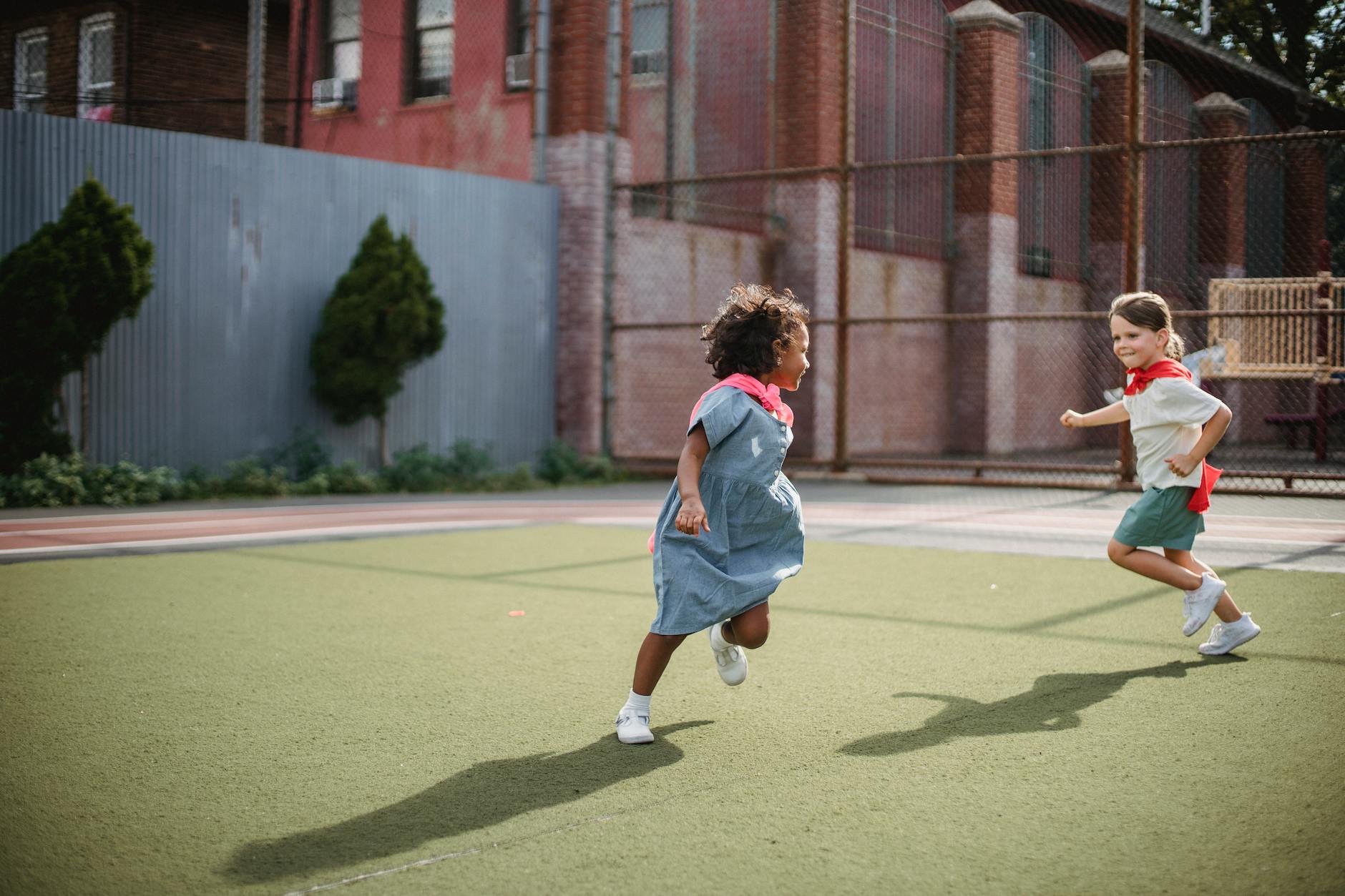
How Do You Make Outdoor Playtime More Fun for Kids?
Outdoor playtime becomes more fun for kids when going outside is frictionless — gear that works in 30 seconds, no setup required, and a rotating selection that keeps novelty high for kids ages 3-12. The barrier is almost never the outdoors itself; it is the friction of the transition from inside to out. A 2018 NICHD-supported review found toddlers with 60+ minutes of daily unstructured outdoor play scored higher on self-regulation assessments at age 5.
-
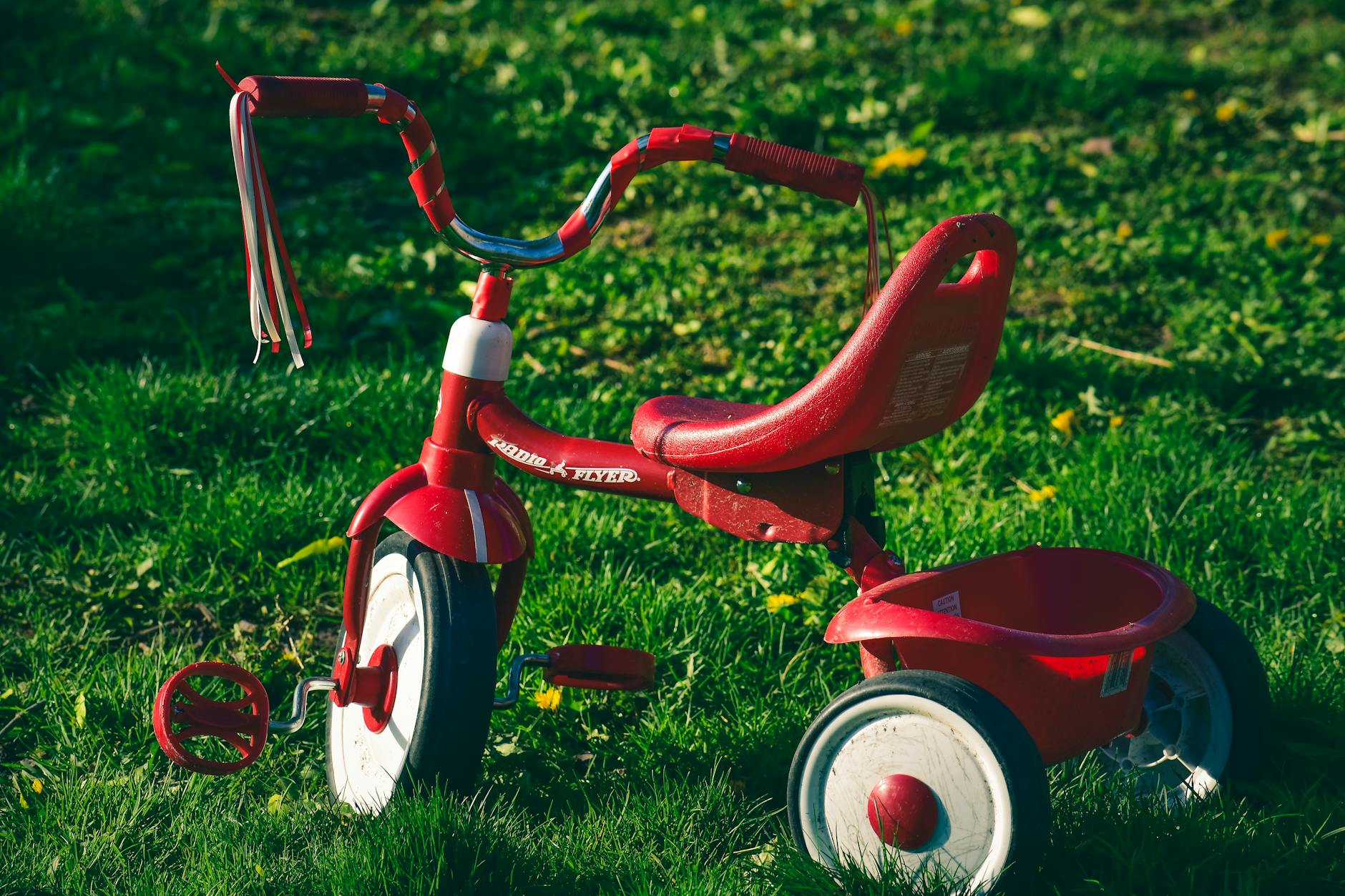
How Old Should Kids Be to Play Outside Alone? A Parent Guide to Outdoor Independence
Most child development experts suggest children are ready to begin outdoor play with light supervision around age 5-6, and can handle genuine independence by age 8-10 — depending on the environment, the child’s maturity, and the nature of the space. The American Academy of Pediatrics does not set a single age cutoff; it emphasizes developmental readiness and gradual expansion. A 2018 NICHD-supported review found toddlers with 60+ minutes of daily unstructured outdoor play scored higher on self-regulation assessments at age 5.
-
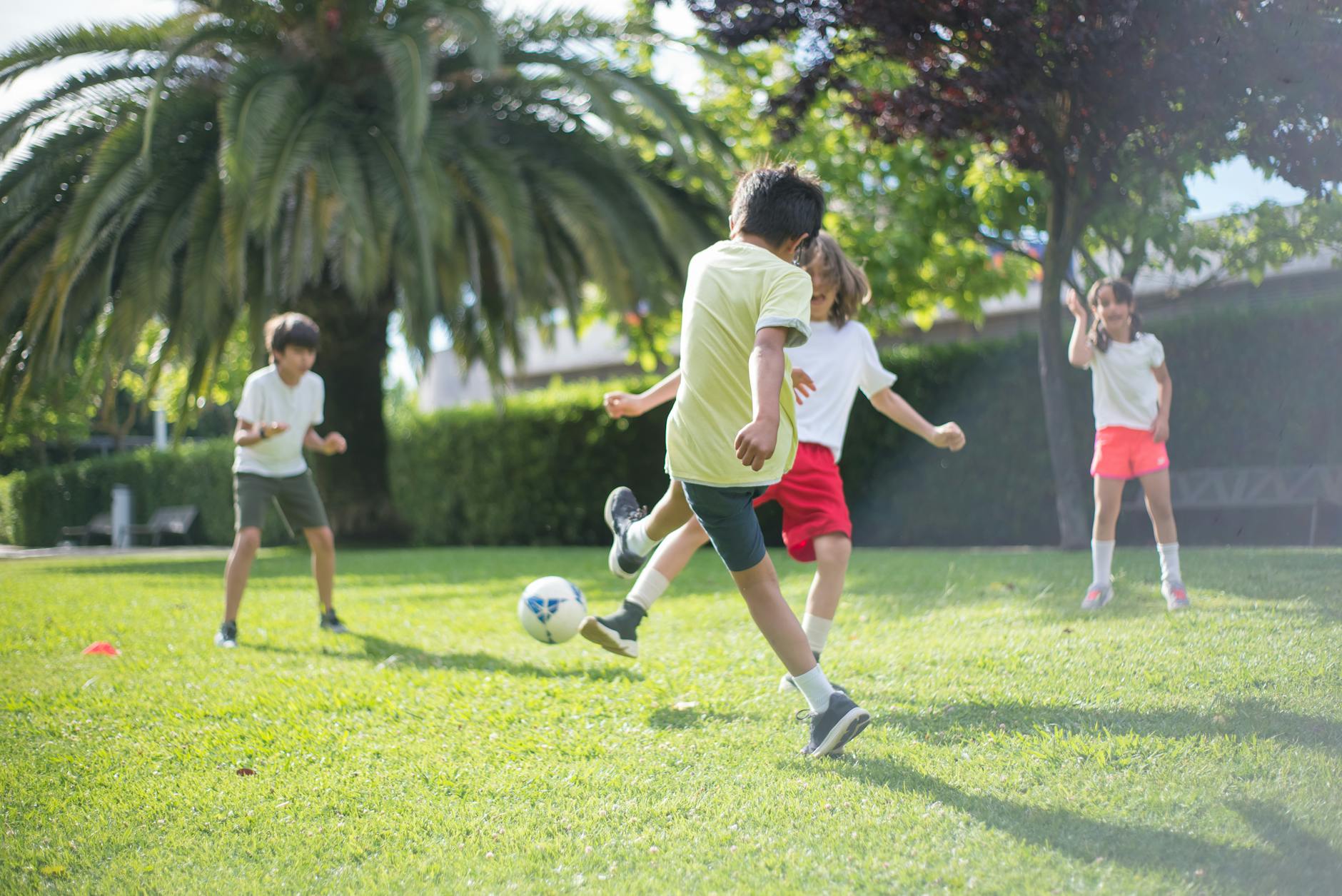
What Outdoor Activities Should You Do With Your Kids Before They Grow Up?
The outdoor activities most worth doing with kids during the 3-12 window are the ones that cannot be replicated later: chasing a foam boomerang in an open field at age 7, skipping stones at a summer lake, throwing a flying disc in a backyard that will eventually be turned into a parking pad. Active play alongside parents and siblings during childhood creates memory traces that research links to adult wellbeing and a lifelong relationship with physical activity.
-
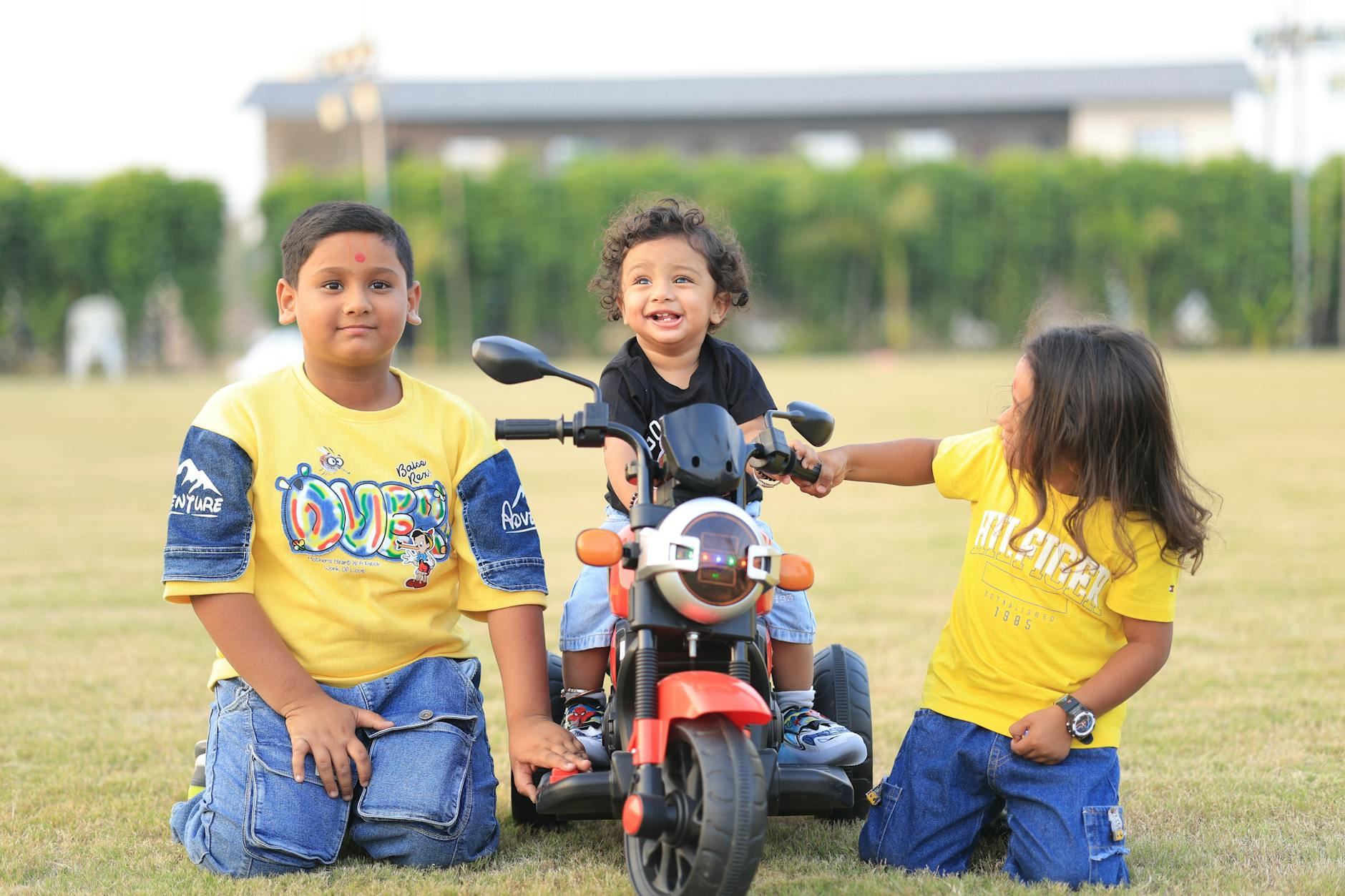
What Outdoor Activities Do Kids Love at Every Age From 3 to 12?
Kids’ outdoor activity preferences shift significantly across childhood, driven by developmental changes in motor skills, social motivation, and cognitive complexity. The outdoor toys and activities that excite a 3-year-old bore a 9-year-old, and vice versa. Understanding these developmental windows helps parents match outdoor play to where their child actually is — not where they hope the toy’s age label says they are. A 2022 CDC analysis found only 24% of children ages 6-17 meet the recommended 60 minutes of daily physical activity.
-
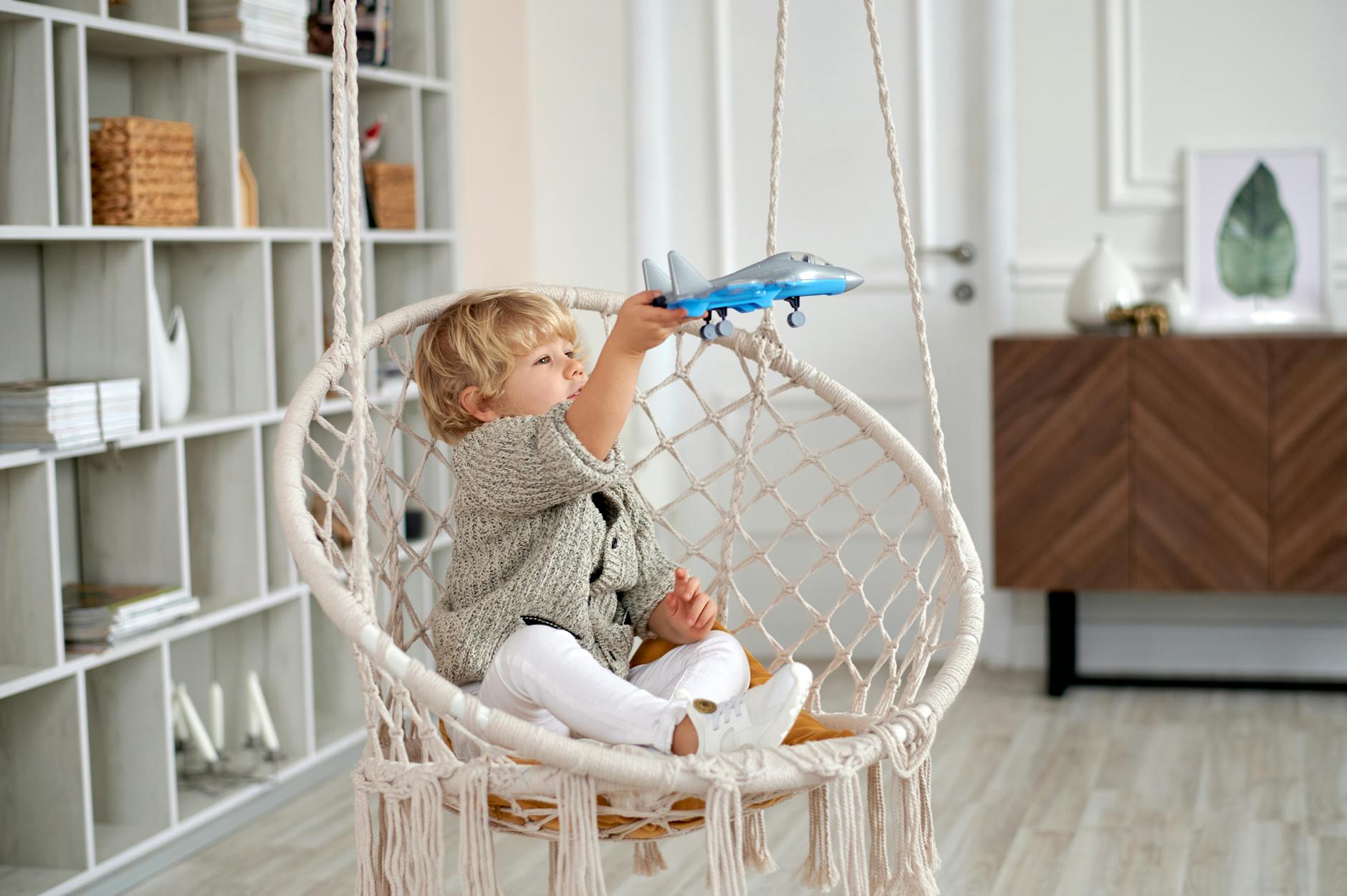
What Outdoor Toys Actually Hold a Young Child’s Attention?
The outdoor toys that hold a young child’s attention share one trait: they give the child something to get better at. A toy that delivers the same experience every single use loses its pull within a week. An outdoor toy that rewards practice — a boomerang that returns more reliably, a catch set that builds a longer rally — sustains interest across an entire season because the child is always chasing a new personal best.
-
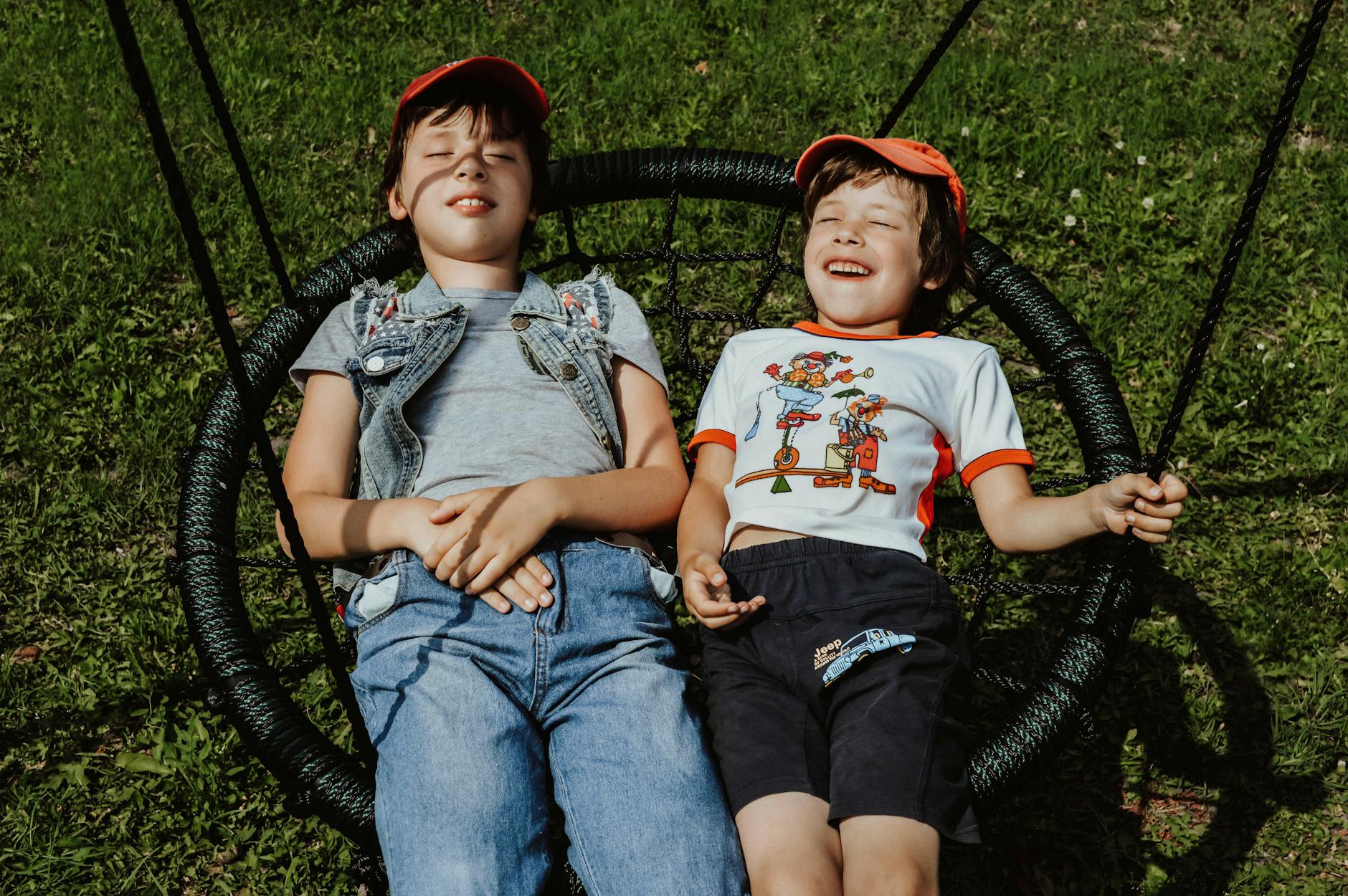
How Do You Keep Kids Happily Occupied Outside First Thing in the Morning?
Kids stay happily occupied outside in the morning when there is a specific toy or activity waiting for them — something with immediate payoff that doesn’t require adult facilitation. Morning outdoor play sessions of 20-45 minutes, before screens come on, are among the most effective behavioral tools parents have: the physical activity, natural light, and sensory input from being outside set a calmer, more regulated baseline for the rest of the day.
-
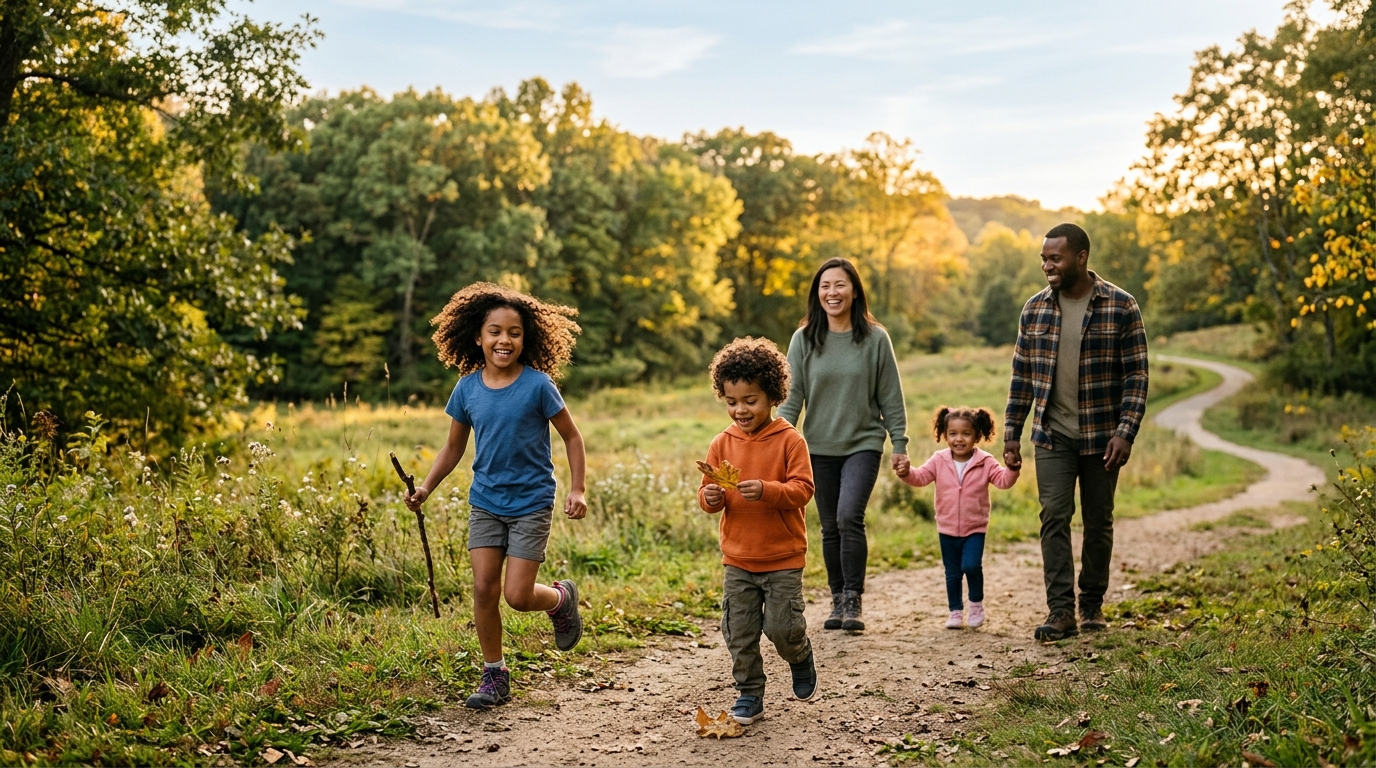
How Much Outdoor Time Do Kids Actually Need Each Day? What the Research Shows
Kids need at least 60 minutes of moderate-to-vigorous outdoor play per day, according to the American Academy of Pediatrics, the CDC, and the World Health Organization. That is the floor, not the ceiling — the research shows benefits continuing to increase beyond 60 minutes for kids ages 3-12.